
The Tale of the Bear Cub with Big Paws – How to Replace Hitting with Words
A story to read aloud with children ages 6 to 9, followed by a practical section for parents: what to try when a child's hand moves faster than their mouth – and what to put in that pause.
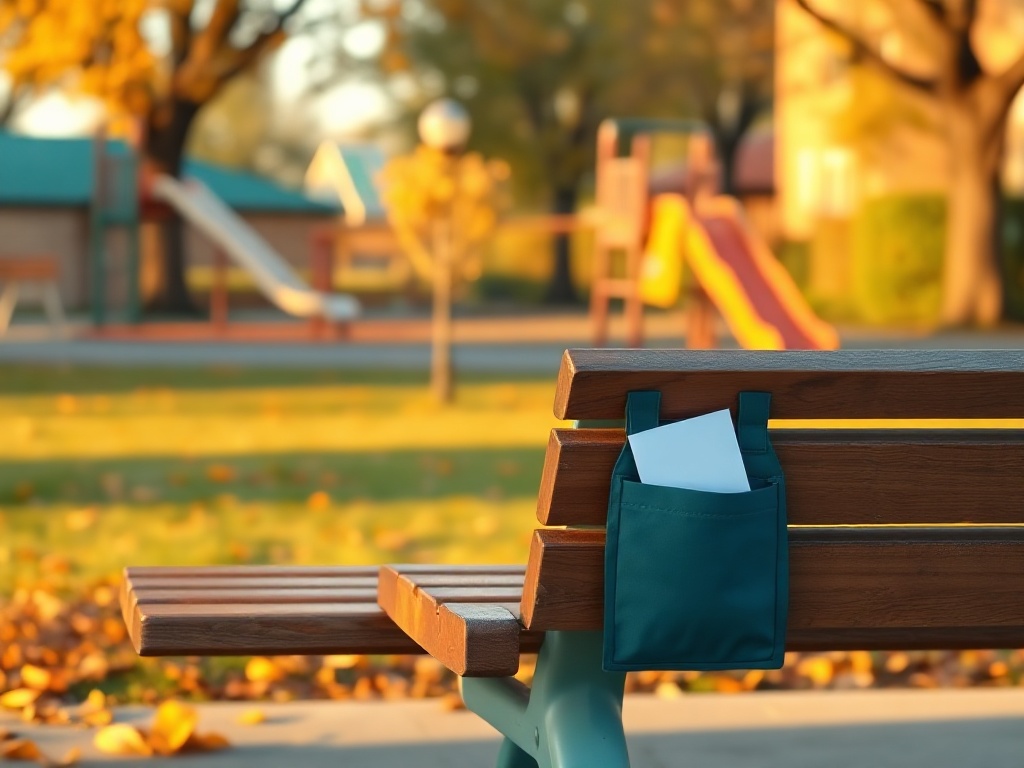
Teddy sat on the bench in the schoolyard with his hands tucked under his legs. He'd been doing that for three days. Because on Tuesday, while he was waiting his turn for the slide, Bunny cut in front of him, and Teddy's paw shot out on its own – bam, right on the shoulder. Bunny sat down on the ground and cried. Mrs. Owl came over. Teddy said, "He went first!" then went quiet, and all day long he felt something like a pit stuck in his throat.
That evening his mother didn't ask why he'd hit Bunny — she asked something else: "Teddy, what did you want to tell Bunny?" Teddy thought for a long time. "That I'd been waiting forever. And that it wasn't fair." "Okay. And did you manage to say that?" "No. My paw was faster."
That's where their work began. Not with punishment, not with a lecture. With one sentence Teddy had to carry around like a key in his pocket: "I was here first — go to the back." They said it out loud, over and over, at home – in front of the mirror, while washing dishes, while pulling on boots. Funny, loud, whispered. So it would be ready the moment he needed it.
Because here's the thing about paws: they rarely learn to be slower. It's the words that can learn to be faster. That's a big part of the trick to replacing hitting with words.
Why "use your words, not your hands" rarely helps in the moment
The sentence is true, but for many children it isn't much use in the heat of the moment. A 6- to 9-year-old usually doesn't have a ready-made phrase on hand while they're angry – they'd have to build one in their head, and that takes seconds they don't have. The hand has already gone up.
So, as a parent, try changing the question. Instead of "Why did you hit him?" ask "What did you want to tell him?" The first question tends to lead to "I don't know" or an excuse. The second one often reveals that there was a sensible message underneath: I've been waiting ten minutes, this is mine, that hurt, I'm scared. The message made sense. It just came out through the fist.
Three ready-made sentences to keep in a pocket
Rather than general rules, it usually helps to give your child specific words for the specific situations that set their hands off – that is what makes using words instead of hitting possible in real time. For many kids there are only three or four such situations, and they repeat week after week.
- When someone cuts in line: "I was here before you. Go to the back." – said firmly, but not shouted, looking straight at the other child.
- When someone takes something from them: "That's mine. Give it back, and then I'll let you have it."
- When they just can't take it anymore: "Stop. I don't like that." – two short words, the easiest to get out when a big feeling hits.
- When it's already too late and the hand has already swung: "I hit you. I didn't mean to. Does it hurt?" – an apology that includes a fact, not just "sorry."
Notice there's no "please" or "be nice" anywhere. The sentences are short, clear, and let the child stay strong. If a suggested phrase makes them sound weak or whiny, they're unlikely to use it – the fist tends to win instead.
Paw Theater – act out the situation before it happens
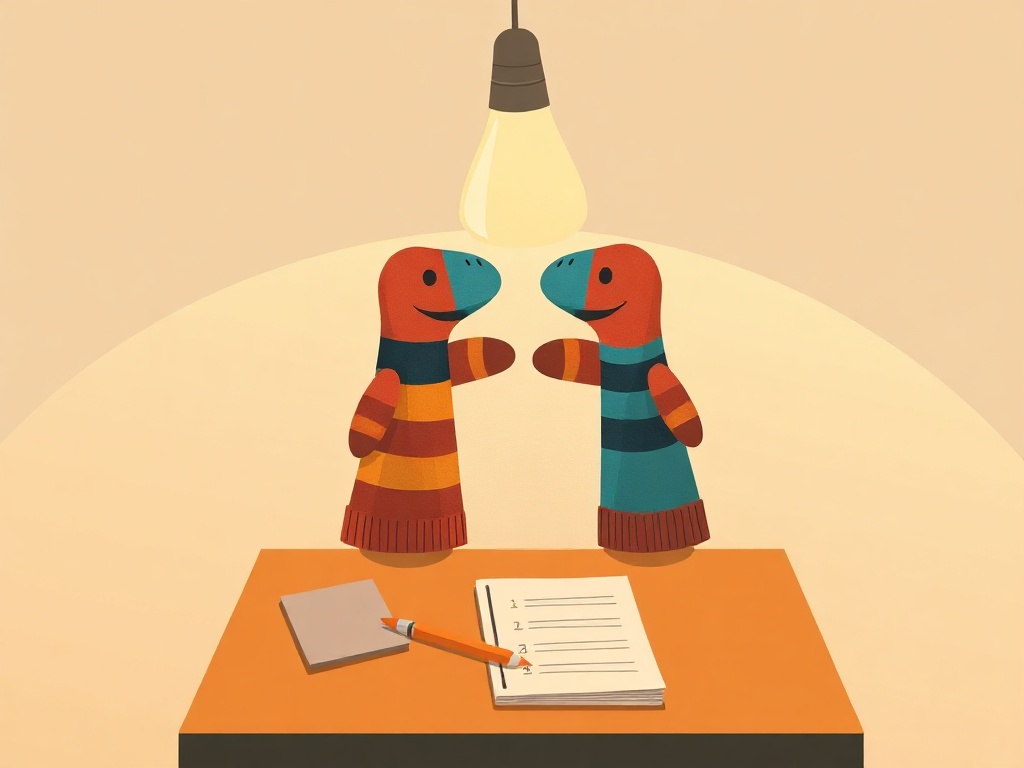
You'll need two stuffed animals (or two socks worn like puppets on your hands), a piece of paper and a pencil, and about 15 minutes – best done in the evening, when there's no rush. Good for ages 6-8. First, write down the three situations that really set your child off – not made-up ones, but real ones: the line for the swing, a sibling grabbing the remote, a classmate shoving their chair. Then act out each one with the toys. You play the one who shoves. Your child answers with a sentence. Run through it three times: first in a whisper, then normally, then loud and confident. Laugh if it turns funny – laughter helps the phrase stick. It's going well when your child can say their sentence without you prompting them, in at least two of the three situations.
Pocket Key Card – a reminder that lives in the pocket
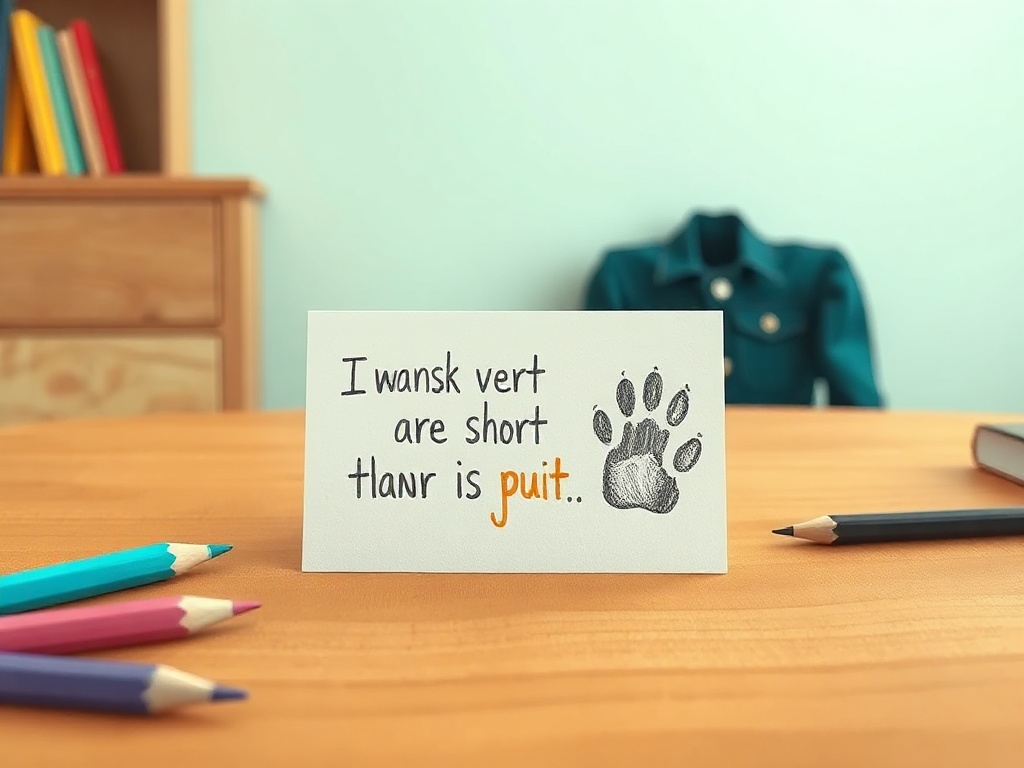
You'll need a piece of card the size of a business card, colored pencils, and about 10 minutes; works well for ages 7-9. Your child writes their most-needed sentence on the front ("I was here first") and draws a paw print on the back. The card goes into a jacket pocket or the front pocket of a backpack – not inside the bag, where they'll never find it. The deal is simple: when they feel it with their hand, they remember the words. Once a week, on Sunday evening, take it out together and decide whether the sentence still works or whether they need a different one. It's a good sign if, after two weeks, your child asks on their own to change the phrase – that often means they've started noticing their own patterns.
A common mistake: demanding an apology right away
The child has just hit someone. The adult says, "Say sorry, right now!" The child mutters "sorry," looks away, and inside feels even angrier. Why does this often fall flat? Because in that minute the child is usually still inside the emotion – they're not sorry, they're defending themselves. A forced apology can teach them that "sorry" is a word you use to get an adult off your back, not one you use to fix something.
You might try this instead. First, take care of the child who got hurt – literally, in front of the one who hit them: "Does it hurt? Let's take a look." The one who hit watches. That can be the strongest lesson in the whole situation, and not a single word of it is directed at them. Then, five or ten minutes later, once breathing has settled, come back: "What did you want to say?" And only at the very end: "Now go tell him that, in words. And tell him you hit him and that it wasn't okay."
Another common trap is comparing kids in public: "Look how well your sister behaves." That rarely reduces hitting – it tends to add shame, and a child who feels ashamed may lash out more, not less, because now they have something to defend.
"My paws are big," said Teddy. "I know," his mother answered. "That's why your words need to be fast."
What changed for Teddy
Two weeks later Teddy was back in line for the slide. Bunny cut in front of him again. His paw started to move – and stopped halfway. Teddy said, "I was here first. Go to the back." His voice came out louder than he meant it to, almost a shout. Bunny stepped back. Mrs. Owl didn't come over.
That evening Teddy told his mom about it and added, "I kind of yelled at him." His mother nodded. "You yelled. But you didn't hit. Next time we'll turn the volume down." That's often what real progress looks like – not perfect behavior, but a hit that turned into a shout. The shout can later turn into a sentence. The reverse order is much rarer.
When it's worth talking to the teacher
- If the hitting happens in the same place at the same time – for example, every day during the long break. Then the problem may be the situation rather than the child's character, and the teacher can change it.
- If your child says they were teased first and you're not sure whether that's true – ask for specific observations, not a judgment call.
- If little has changed after a month of working on it at home – it's worth hearing what their day looks like at school from 8 a.m. to 1 p.m.
A conversation with the teacher often goes best when it opens with a sentence that doesn't sound like an accusation: "We're working on this at home. What are you noticing in the classroom?"
And one last thing, for parents. If your child has hit someone, it doesn't mean you've failed at raising them. It usually means their hand is faster than their words – like many kids their age. The goal isn't to make them gentler. Replacing hitting with words is really about filling their pocket with ready-made sentences, so the words have a chance to arrive first.