
The 20-Minute Homework Rule: How to Stop the Nightly Battle Over Notebooks
A practical plan for children aged 7 to 9: how the 20-minute homework rule turns homework into a short block with a clear end, instead of ninety minutes of negotiating. With two ready-to-use exercises, common mistakes, and answers to the questions parents actually ask.
It's 6:40 p.m. The notebook has been open for forty minutes, four words have been written, and the eraser has been chewed beyond recognition. You've already said "come on, focus" at least six times. Your second-grader is crying, you're raising your voice, and afterward you both feel bad about it. Tomorrow night, the same thing happens.
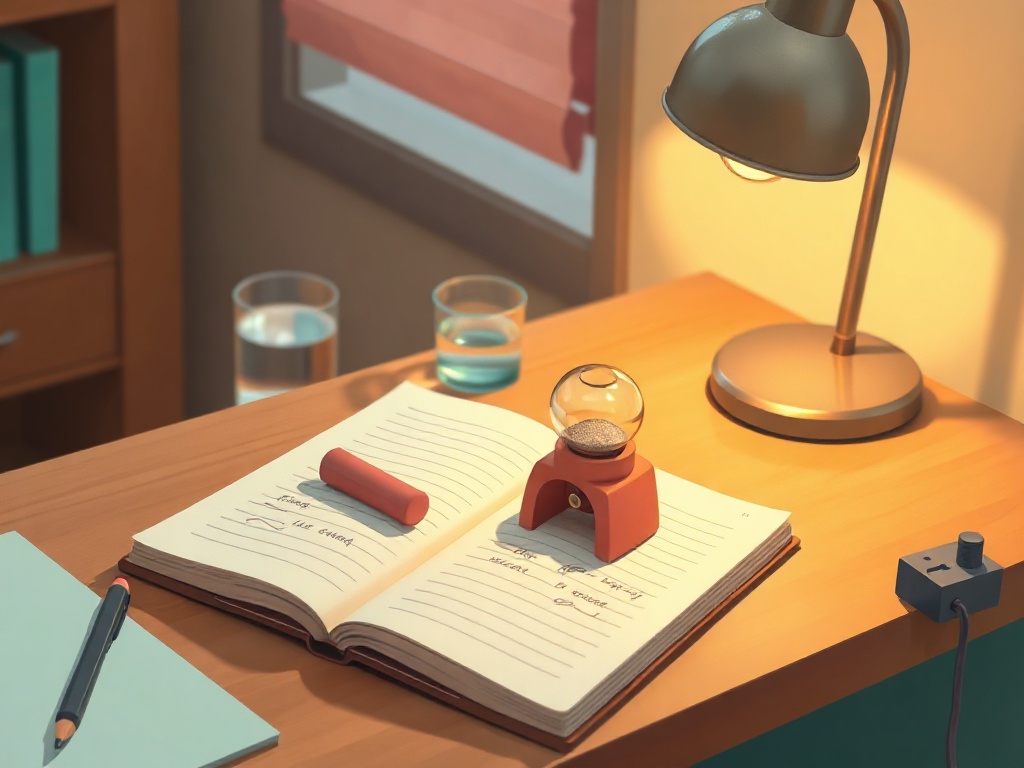
If this sounds familiar, the problem is probably not your child. For kids between 7 and 9, focused handwriting is hard work — the hand gets tired, letters demand fine control, and the brain still hasn't learned how to plan its own breaks. When, on top of that, the task has no visible end ("you can get up once you're done"), the child sees no finish line and starts putting it off. That stalling looks like stubbornness. It isn't. This is exactly the gap the 20-minute homework rule is built to close.
Why "sit there until you're done" backfires
Think about what the child actually hears: the punishment grows the longer they work. Finish quickly, and the evening moves on; drag it out, and the evening turns into an ordeal. But for a seven-year-old, "quickly" isn't a strategy they can consciously choose. So the only card left to play is negotiating — for water, for the toilet, for a different coloured pencil.
Flip the equation. The 20-minute homework rule makes the time fixed and the amount of work flexible: twenty minutes on a timer, then stop, no matter how far you've gotten. It sounds risky, but that's exactly where the shift happens: once the end is guaranteed, there's no point negotiating, and the child suddenly starts writing.
What the 20-minute homework rule looks like in practice
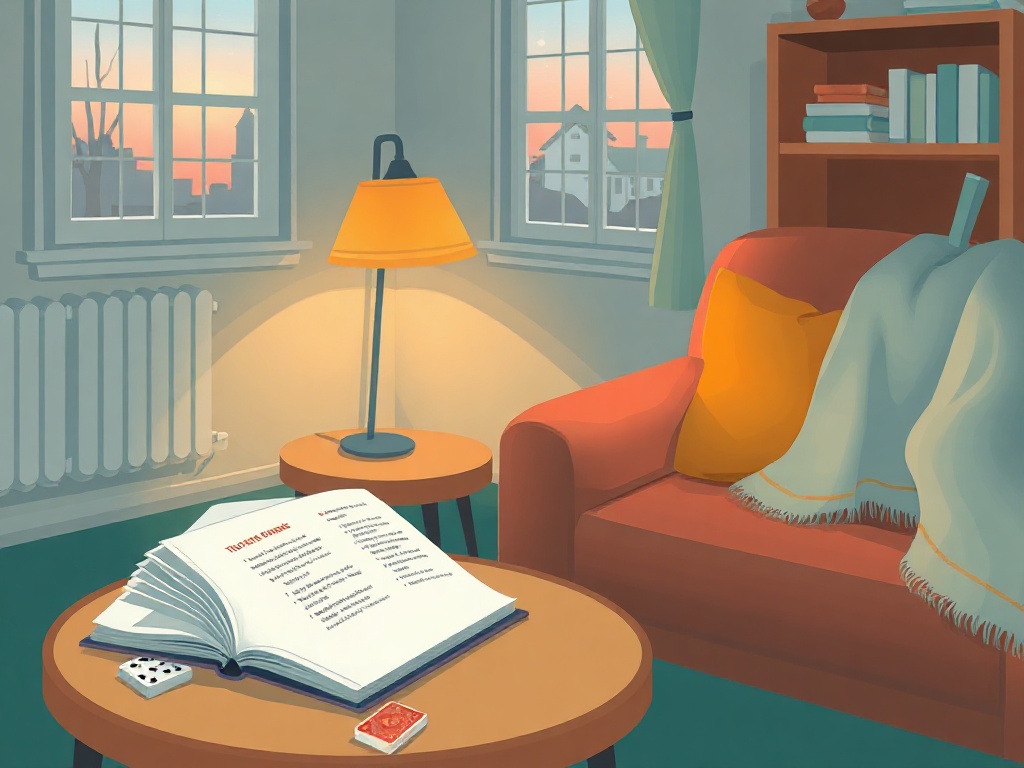
- The same spot every evening — table, chair, lamp on the right if the child writes with their left hand (so the shadow falls away from the page).
- Everything needed is on the table before you start: pencil, eraser, sharpener, a glass of water. Every trip away from the table after starting costs time.
- The parent's phone stays in another room. If you're checking messages near your child, they'll ask for a break by minute nine.
- The timer is visible — a sand timer, a kitchen timer, or a clock with a big second hand. Not a countdown on a screen, which is too tempting.
- Hardest first: writing, then reading, then something short and pleasant, like mental maths practice.
- When the timer rings, you stop. Even mid-sentence — that's exactly what teaches the child the 20-minute homework rule is real.
"But what if they don't finish?" The first week, they often won't. So write down what's left, and the next day send the teacher a short note: your child worked focused for twenty minutes, and this is as far as they got. Most teachers take this in stride, and you get real information — whether the homework load is too much, or the pace is just slow. One or the other, not a fog of guesswork.
The Sand-Timer Start: The First Three Minutes
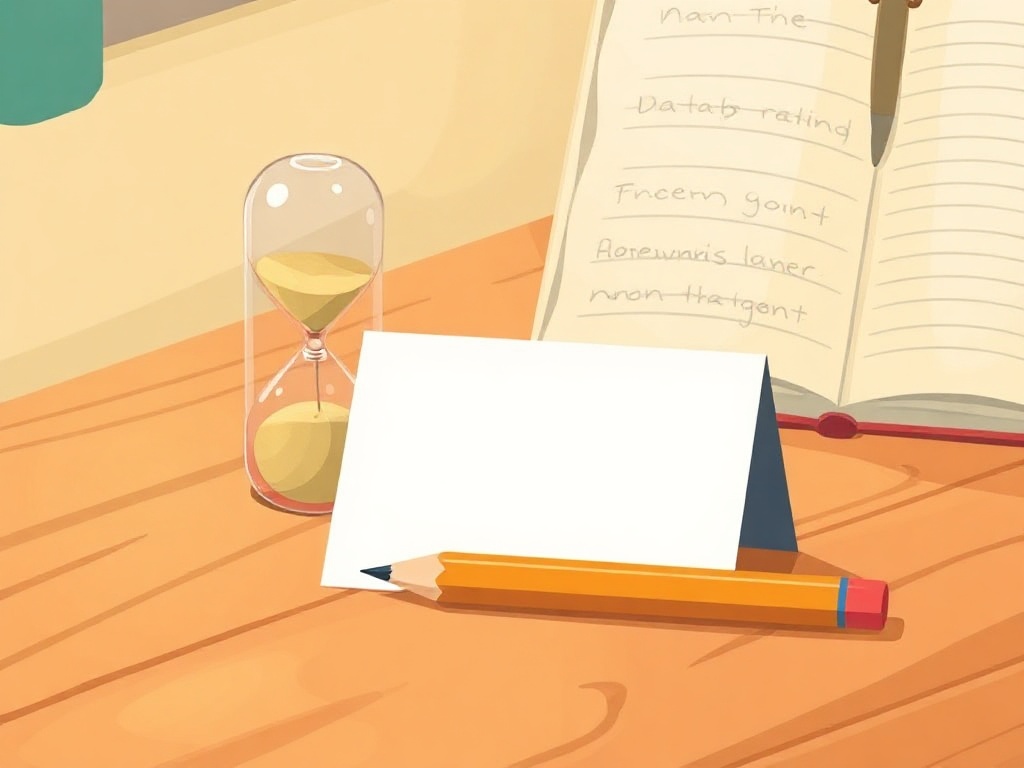
All you need is a 3-minute sand timer (or a kitchen timer) and a sheet of paper. Before the actual homework, the child gets three minutes to write whatever they like — footballers' names, favourite ice-cream flavours, silly words. The goal is to get the hand moving before the fear of making a mistake sets in. The moment the sand runs out, flip the page and start the homework without a pause. It takes 3 minutes plus the 20-minute block, and suits children aged 7 to 9. Count it as working if, within the first minute of homework, the child is already writing instead of hunting for an eraser.
What to do when your child says "I can't"
"I can't" almost never means "I don't understand." It usually means "it's too much and I don't know where to start." Don't re-explain the whole task from scratch — that just piles more words onto an already overwhelmed child. Instead, pick up a pencil and circle only the first line. Then say: "This line. Just this one. I'm right here."
And here's something that helps more than praising "well done, you're so clever": describe what you see. "You wrote six lines without getting up." "That letter came out neater than yesterday's." The child can check whether it's true, so they believe it.
The "How Far Did I Get" Card
You'll need three index-card-sized pieces of paper and a coloured pencil. At the end of each block, the child writes down two things themselves: how many tasks they finished and which one was hardest. It takes about 2 minutes and works well for children aged 8 to 9 who already write fairly fluently. After five evenings, line the cards up side by side and look together for a pattern — for example, that text-based tasks always end up last. It's a win when the child spots the pattern themselves, without you pointing it out.
A common mistake: the reward that keeps climbing every night
Many families start with a small deal — finish your homework and get a little pocket money on Sunday, or twenty extra minutes of screen time. It works for about a week. Then the price goes up, because the reward is no longer novel, and the child realises homework has become a bargaining chip. Before long, you're no longer fighting over the notebook — you're fighting over the size of the bribe.
What matters is what you're actually rewarding. Pay for the result, and you're buying a finished page. But if the same pleasant thing always follows the block — reading a chapter together, one round of a card game, ten minutes outside for fresh air — the child isn't winning a prize, they're getting a rhythm. And a rhythm doesn't get more expensive over time.
Another common trap is the parent who sits right next to the child for the full twenty minutes, commenting on every letter. Then the child isn't solving the task — they're watching your face. It's better to sit a couple of metres away with your own work in hand, and only come closer when called.
Don't ask "are you done?" — ask "how far did you get in twenty minutes?" The first question opens an argument; the second opens a conversation.
The first five evenings
- Evening 1: explain the 20-minute homework rule and try it once. Don't expect the homework to get finished.
- Evening 2: the child starts the timer themselves. You just sit nearby.
- Evening 3: add the "How Far Did I Get" card.
- Evening 4: if twenty minutes flies by easily, try two 15-minute blocks with five minutes of movement in between.
- Evening 5: go through the cards together and decide what to adjust — the time of day, the order of subjects, or the spot you work in.
Don't change more than one thing at a time, or you won't know what actually helped. And keep the time slot steady — whenever your school year happens to start, a habit that survives its first couple of months usually holds through the rest of it.