
How to Survive a 40-Minute Passport Line Without Losing It: Games for Kids Ages 6-8
Practical, quiet games for the waiting room at the town hall or passport office that work exactly where the phone fails. For parents of kids ages 6 to 8 heading off on summer travel.
The board shows number 214. Your ticket says 237. Every seat is taken, your kid has already dropped the backpack on the floor and asked for the third time when it's our turn. It's mid-June, school just let out, and half the country is renewing documents before the holidays — so these 40 minutes aren't going to melt away on their own.
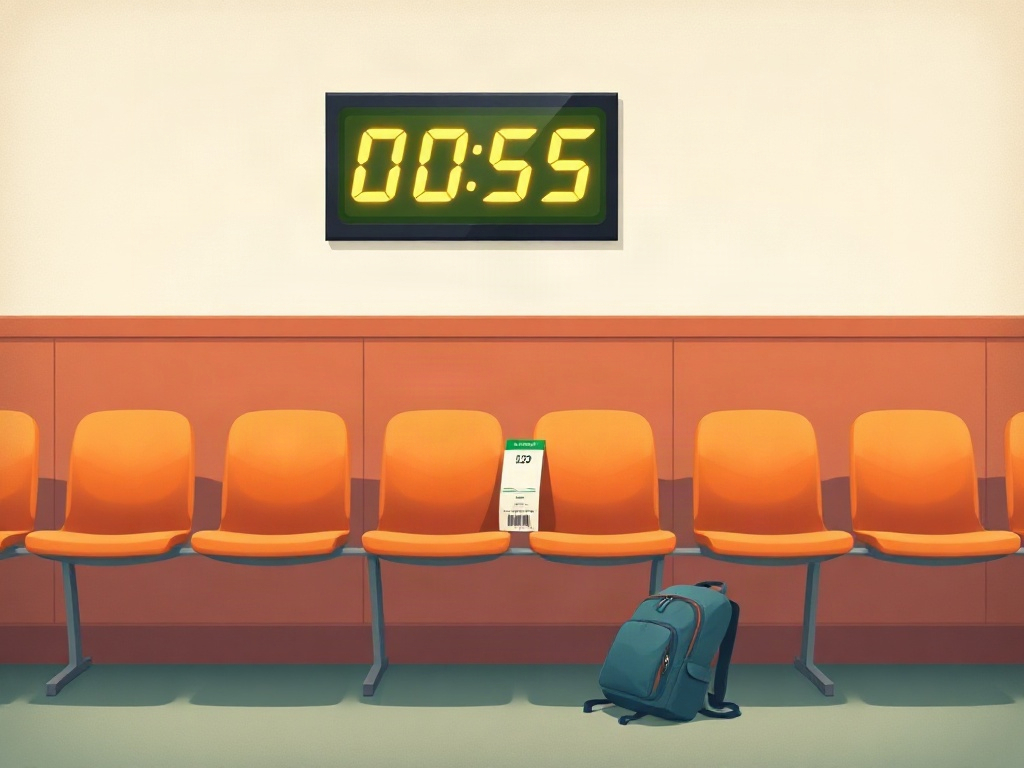
The default move is the phone. And it really does buy you twenty minutes of quiet. The trouble comes after: when the clerk calls your number and it's time to get up, stand in front of the camera, and hold still, they step off the screen cranky, eyes heavy, and that's exactly when you hear "I don't want to, I don't feel like it." The photo comes out with half-closed eyes and has to be retaken.
Why waiting is especially hard for 6-8-year-olds
At this age kids can already read numbers and understand sequence, but they still have no real sense of duration. "Not much longer" means nothing to them. So the first thing I do after we sit down isn't a game — it's looking at the board together: "We're 237. It's on 214 now. That's 23 people before us. Let's count them down." From that moment, the wait has a shape — a beginning, a middle, and an end the child can check for themselves.
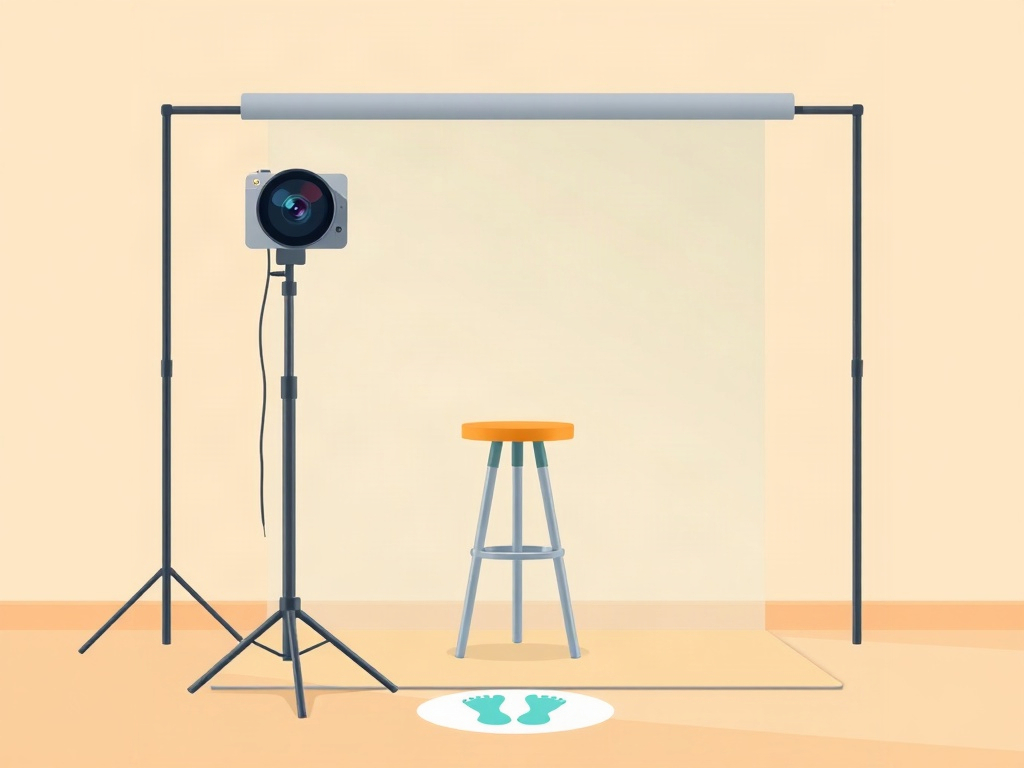
The second thing is telling them exactly what's about to happen before it happens. Not vague reassurance — the actual sequence: we hand over the documents, you sit on the tall stool, you look at the little circle on the camera, no big smile, then you put your finger on the glass panel. A child who knows these four steps gets through them in a minute. A child hearing them for the first time from a stranger behind a counter pulls back.
Games that work on a hallway chair
Everything here is quiet, fits in one sleeve, and needs no table. That's not an accident — there are no tables in a waiting room, and loud games get you stares fast.
Number Board Hunt
All you need is the ticket and maybe a scrap of paper for keeping score — fingers work fine too. Play it in 5-10 minute stretches for as long as the wait lasts; perfect for ages 6-8. The rule: before the next number lights up, everyone guesses whether it'll end in an odd or even digit, and braver kids guess the whole number. One point for every correct guess. Add a second level too: "How many more till us?" after every number change, with the answer worked out in their head. Call it a win once they check the board and do the subtraction on their own, without you prompting.
Secret Detective in the Waiting Room
All you need are eyes and a whisper. Each round takes 6-8 minutes and works great for ages 6-8. You pick a person or object in the room without pointing at it, and give one clue every ten seconds: "Something blue. Holding it in the right hand. Not sitting down." Your child asks yes-or-no questions — up to five. One important rule to say out loud at the start: no pointing fingers, no commenting on how people look — we only describe objects and colors. Then switch roles. It counts as a win if they build their own riddle with at least three clues and manage not to blurt out the answer before the fifth question.
Photo Rehearsal
All you need is a phone camera, sound off, and two minutes. Works well for ages 6-8 and is best done when you're about ten numbers out from your turn. Sit facing each other, count to three, and have your child make their "official document face" — straight back, relaxed mouth, eyes on the lens, no grimacing. Take three shots: one deliberately silly, one with squinty eyes, and one real one. Look through them together and let them pick which one would pass for a passport photo. Mission accomplished if, at the counter, they hold their gaze on the camera while the clerk takes the shot, no reminder needed.
A common mistake: "just five more minutes and we're done"
We say it to keep the peace. The effect is the opposite. Kids take the number literally, count it down in their heads, and by minute six realize they've been misled — and the next time you tell them how long is left, they no longer believe you. So don't round the queue numbers down. Tell the truth, even when it's not what they want to hear: "There are still nineteen people ahead of us. It could be half an hour." Strange as it sounds, a child copes better with a half hour that was announced up front than with five minutes that keep stretching.
The second common mistake runs the other way — a parent fills every single second with activity so the child never gets bored. After twenty straight minutes of nonstop entertainment, you're both wiped out, and the most important part is still ahead. Better to alternate: ten minutes of a game, five minutes of quiet looking out the window, then a game again.
A child doesn't get tired of waiting. They get tired of not knowing when it ends.
What to pack in the backpack the night before
- A bottle of water and something salty or dry — sweets in a closed room often end in sticky fingers right before the fingerprint scan.
- A pencil and a few blank sheets folded in four; no need for a whole notebook.
- A deck of cards or a small pocket-sized game that can be played on a lap.
- A spare t-shirt in a neutral color if the photo's being taken that day — a light top photographs better against a light background.
- A little cash, around €1-2, for the water vending machine in the building; not all of them take cards.
One more thing about early-to-mid June specifically: it's peak season for document renewals, and lines run longest around midday. The early slot right after opening, or the last one before the lunch break, is usually lighter. If you can book an appointment online, the wait drops to just a few minutes — but the games above still earn their keep, because even ten minutes with a tired kid carries its own weight.
How to tell it worked
Not by whether your child stayed quiet. By whether, walking out, they can tell you what happened: "We were 237, we counted down twenty-three people, they took my photo twice because I blinked." A child who can tell the story was a participant, not cargo. Next time, they'll walk into that same building calmer — and that's exactly what carries over to the airport, the ticket counter, and every other line you'll face this summer.