
Bunny and the Little Red Pepper: A Bedtime Story for Kids Who Refuse Anything New on Their Plate
A short story for 5- to 7-year-olds, plus two ways to use it at the table without turning dinner into a negotiation. The goal isn't for your child to eat the pepper — it's for them to get to know it.
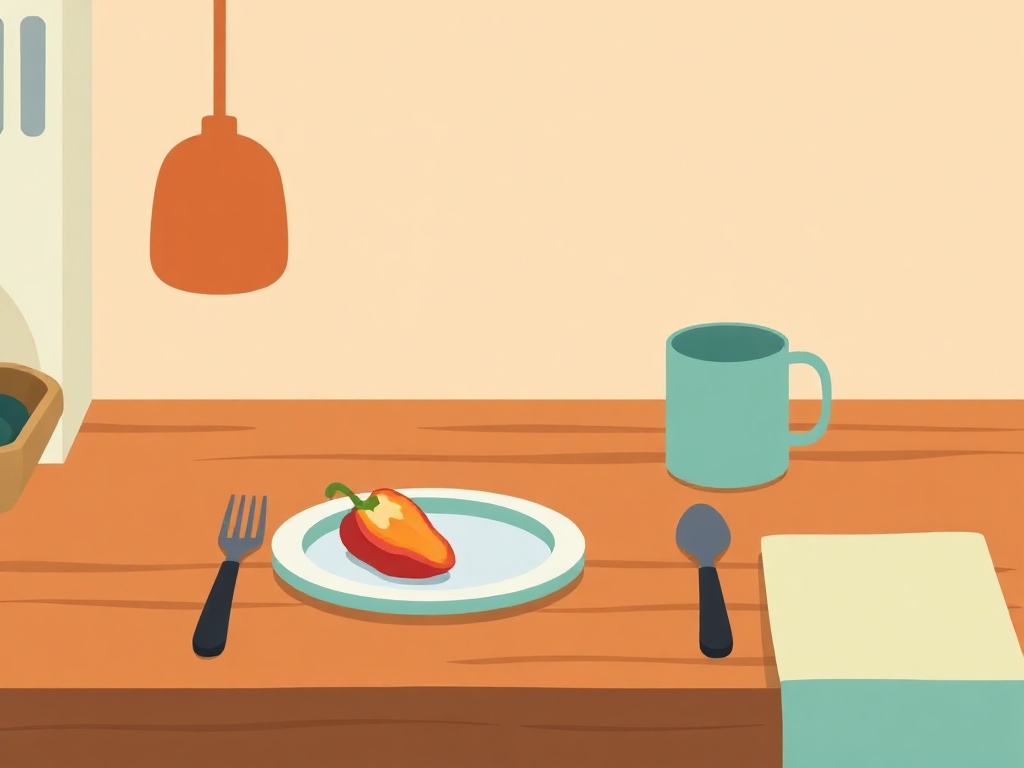
The little red pepper has been sitting on the plate for ten minutes now. The child eyes it the way you'd eye a strange dog through a fence — from a distance, hands behind the back. "I don't want it." "But you haven't even tried it." "I know I don't want it." And from here, dinner turns into a negotiation where nobody wins.
Here's a story that works better than bargaining. Then — what to do with it, because reading it alone isn't quite enough.
The Story of Bunny and the Little Red Pepper
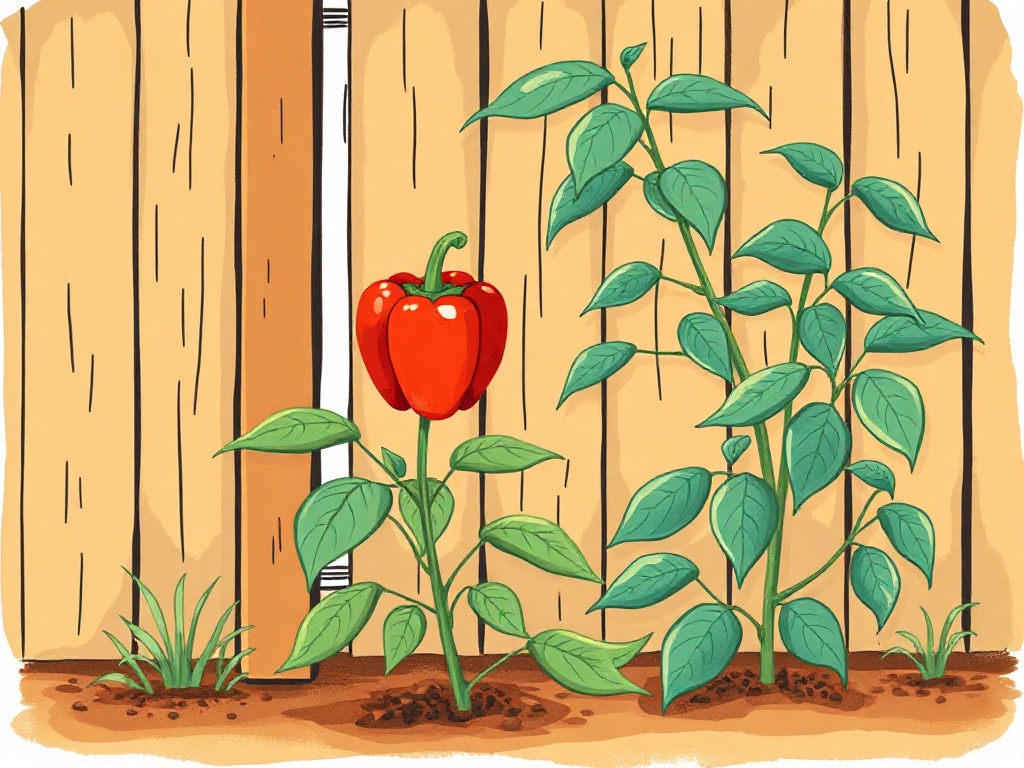
In a garden lived Bunny, who ate only three things: carrots, carrots, and more carrots. One day, something red and shiny sprouted by the fence. Bunny sniffed it from afar and decided right away: "That's not food. It's far too red."
The next day, he came back to look at it again. He didn't touch it — just looked. On the third day, he poked it with his paw. It was shiny, cool, and a little firm. On the fourth day, he gave it a proper sniff, up close, and was surprised: it smelled like the garden after rain, not like something scary at all.
On the fifth day, Bunny gave it a little lick. Just once. "Hmm," he said. On the sixth day, he took a bite the size of his fingernail and held it in his mouth. "It's not a carrot," said Bunny. "But it's not bad either." On the seventh day, he ate half the pepper and asked Grandma if there was any more.
And Grandma, who was wise, never once said "Go on, just try it!" She simply left the pepper by his plate and went about her business.
Bunny didn't learn to love the pepper. He simply stopped being afraid of it. That's a different thing — and a much easier one.
Why Seven Days, Not One
This is really the whole point. Most dinner-table advice focuses on getting the child to swallow the bite right now, tonight. But between "I see it" and "I eat it" there are at least five in-between steps that grown-ups skip over, because to us they don't even register. We already know what a red pepper tastes like. The child doesn't.
The steps Bunny went through are perfectly clear, and each one is a small win in itself:
- Looks at the food on the plate without pulling away
- Lets it sit next to other food without pushing it aside
- Pokes it with a finger or a fork
- Sniffs it up close
- Touches it with the lips or gives it a lick
- Takes a bite and spits it out if they want to
- Chews and swallows
If your child has reached "pokes it" today, dinner was a success. Truly. You don't need to say anything more than "I saw you touch it."
The Most Common Mistake: The "Three Bites and You Get Dessert" Deal
It sounds reasonable, and nearly all of us have tried it. The trouble is, it teaches the child the exact opposite of what we want. If you have to pay me to eat the pepper, then the pepper must be something bad — otherwise, why would you be paying? And ice cream becomes the reward, meaning it's the truly valuable food on the table.
The second thing that happens is that the child learns to swallow quickly, without tasting anything, just to get to the reward sooner. So they eat the pepper six times, and after the sixth time still have no idea what it tastes like. No real getting-to-know-it has happened.
The third effect is long-term: the deals escalate. This week it's three bites for dessert; next week it's three bites plus an extra biscuit, because the old price has stopped working.
Say this instead: "I've put a pepper on your plate. You don't have to eat it." And that's it. Then talk about something else — what everyone did today, when it's going to rain, anything at all.
Bunny's Seven Days — A Table Chart
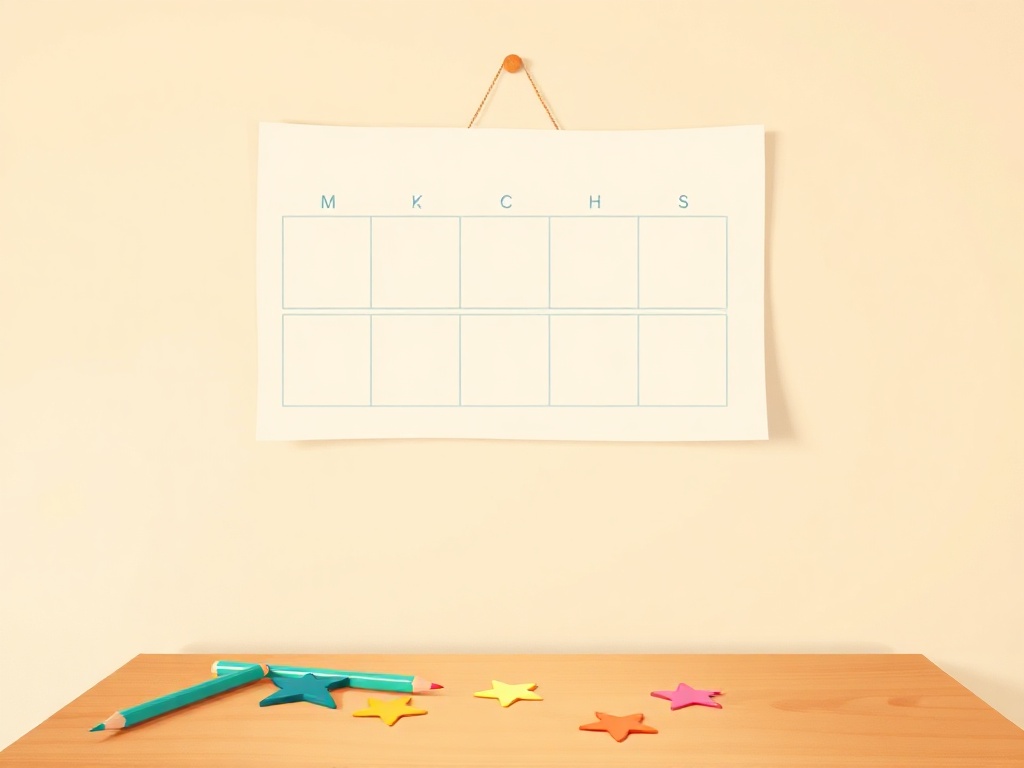
You'll need a sheet of A4 paper, coloured pencils, and seven stickers (little hand-drawn stars work just as well). Takes 10 minutes to make and 1 minute each evening after that. Suitable for ages 5-7. Draw seven boxes in a row and label each one with a step from Bunny's journey: look, poke, sniff, lick, bite, chew, eat. Each evening, the child decides for themselves how far they got with the new food that day and puts a sticker in that box. The important part: the child marks it, not you. If tonight was only "look" — they stick it on "look," and that's perfectly fine. It counts as a success if, after five evenings, the child checks the chart on their own and announces how far they've got, without being asked.
The Shop of Unfamiliar Things
You'll need three or four vegetables or fruits your child doesn't eat, a small plate for each, and 2 € pocket money if you're shopping together at the market. Takes 20 minutes on a Saturday morning. Suitable for ages 5-7. At the stall, the child picks one thing they've never tried — they choose it themselves, and you don't comment on the choice. At home, wash it together, cut it open, and examine the inside: how many seeds does it have, what colour is it inside, does it make a sound when it snaps. Today's task is to get to know it, not to eat it — so leave a piece on the table for later and don't ask any questions. It's a success if the child tells the other parent what's inside the pepper, even if they didn't put a single bite in their mouth.
How to Tell the Story So It Actually Works
Don't read it at the table. This is the most important part. If you tell it right when the pepper is on the plate, the child spots the trap instantly — any story with a moral, told at just the right moment, smells like a lesson.
Tell it at bedtime, two or three days before you put something new on the table. And don't tack on "See, you can be like Bunny too" at the end. Let it sit. Two days later, when the pepper appears, the child will make the connection on their own — and a connection reached on one's own carries far more weight.
If your child asks to hear it again, swap the vegetable. The second time, have Bunny face green peas; the third time, courgette. That way, the story stops being about the pepper and becomes about anything new.
The One Thing That Should Stay the Same
New food should appear on the table regularly, not once a fortnight. A small amount, no explanation, next to something the child already loves. If the pepper only shows up when you've decided "today we're trying it," it becomes an event. If it shows up on Tuesday, Thursday, and Saturday as an ordinary part of the plate, it becomes furniture. And nobody's afraid of furniture.
One more thing: the child needs to see you eating the same food. Not as a performance with an exaggerated "mmm, so delicious" — kids spot acting faster than we do. Just eat it, and talk about something else.