
My Child Wants to Feed Stray Cats and Dogs: How to Set Boundaries Without Killing Their Compassion
A short guide for parents of children aged 7 to 10: how to turn the urge to "feed every animal on the street" into sensible, safe, and genuinely helpful action.
There's a cat with sunken sides standing outside the building. Your child has already dug into their backpack and pulled out half a sandwich. You say "don't", they ask "why", and behind that "why" is something worth protecting — they've noticed that someone is struggling and wanted to help. The desire isn't the problem. The problem is that half a cheese sandwich isn't food for a cat, and reaching out to an unfamiliar dog is a risk a nine-year-old doesn't yet know how to judge.
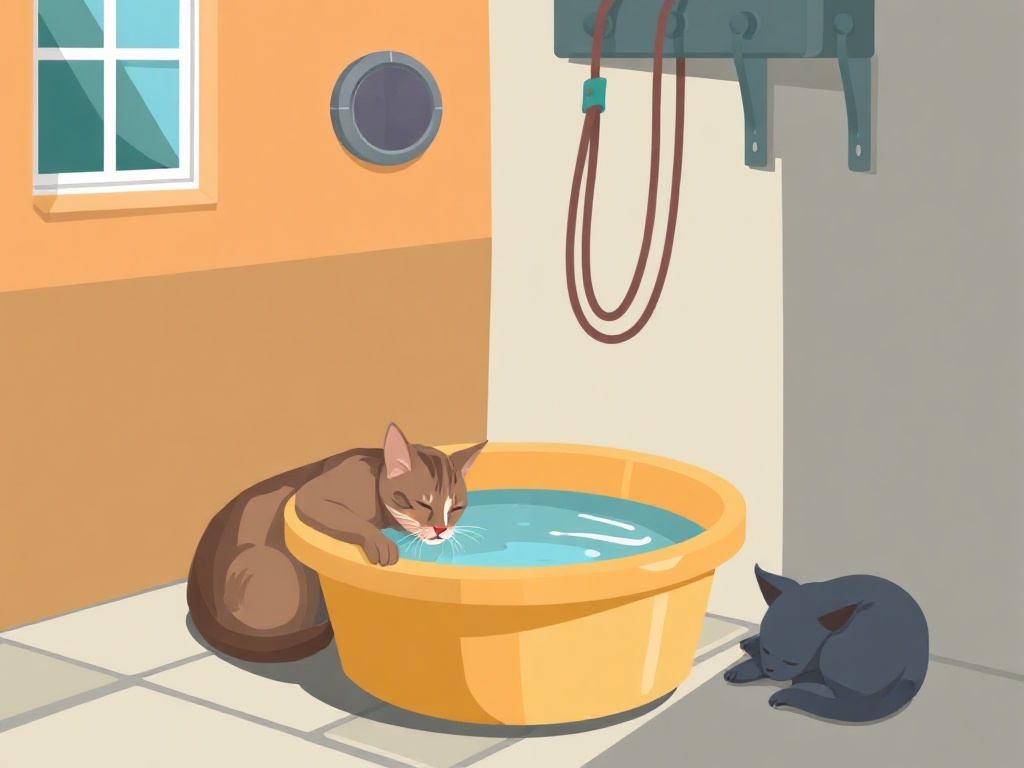
That's why the conversation shouldn't end with "don't touch it". A blanket ban leaves the child feeling guilty and with nothing to actually do. And children this age are perfectly capable of grasping a rule like "this — yes, that — no", as long as you explain the reason and give them an approved way to act.
Why "don't touch stray animals" rarely survives the week
Because it's a ban with nothing to replace it. The child sees a hungry creature, feels a strong emotion, and has nowhere to put it. The result is usually one of two things: either they obey outside and feel bad about it, or they wait for you to turn away and feed the cat anyway — only now in secret, without asking and without care. The second option is more dangerous, because now no one is watching.
A rule works when it has three parts: what we don't do, what we do instead, and who's responsible. For example: we don't touch or lure the animal, but we can leave water in a specific spot, and we tell an adult if the animal looks hurt. That way the child has a role, not just a restriction.
What's safe and what isn't — specifically
- Water — almost always a good idea. A bowl of clean water in the shade, especially in summer, doesn't harm any animal and doesn't create friction with neighbours.
- Food from the table — no. Spicy, salty, chocolate, onion, chicken bones: things that are dinner for us but a problem for a dog or cat. If it's going to eat, it should be dry food or tinned food bought by an adult.
- Touching, petting, picking up — no, even if the animal looks gentle. A stray isn't used to hands and can startle at the exact moment a child leans over it.
- Hand-feeding — no, never. Even a tame dog can bite a finger by mistake if food is right next to it.
- A cat with kittens, or a dog that's lying still and not moving — step back and call an adult. This is not a moment for improvising.
- Where to leave food — away from doorways, playgrounds and parked cars, so animals don't gather where other children are playing.
Sentences your child can say on their own
Half the tension disappears once the child knows exactly what to say. Practise these phrases at home, out loud, until they stop sounding strange:
- To a friend offering crisps to a dog: "Wait, that's not for dogs. It'll make him sick. Let's give him some water instead."
- To you, when they want to help: "Mum, this cat looks hungry. Can we buy a small pack of food and leave it by the bins?"
- To an unfamiliar adult who's encouraging the child to pet a dog: "I don't touch stray animals. That's the rule at home."
- When they see an injured animal: "I'm not touching it. I'm going to tell someone from the building."
The Neighbourhood Map
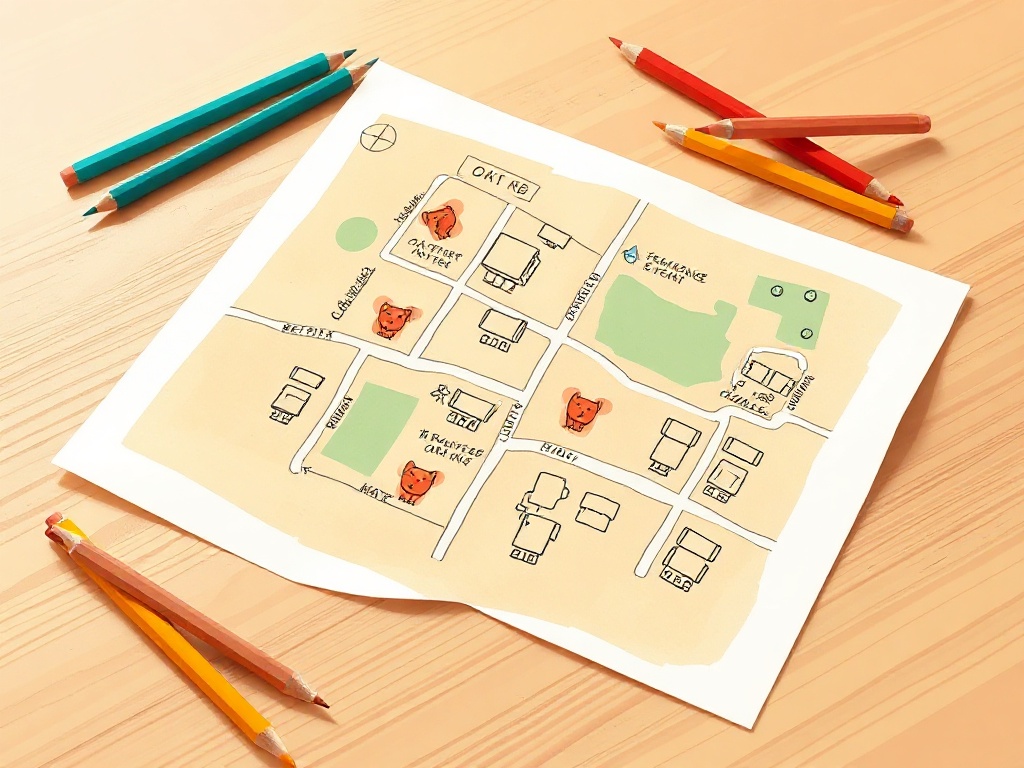
Grab a sheet of A4 paper or the back of an old drawing, some coloured pencils, and a phone just to check a street name if needed. Together, sketch a rough map of the neighbourhood and mark with different symbols where you've spotted cats, where there's shade in summer, and where it would make sense to leave a water bowl — away from doorways and cars. It takes about 30 minutes and suits children aged 7 to 10, with younger ones drawing and older ones writing the explanations. It's worked when the child can point to at least two suitable spots and give one reason why a third spot wouldn't work.
The Bowl Week
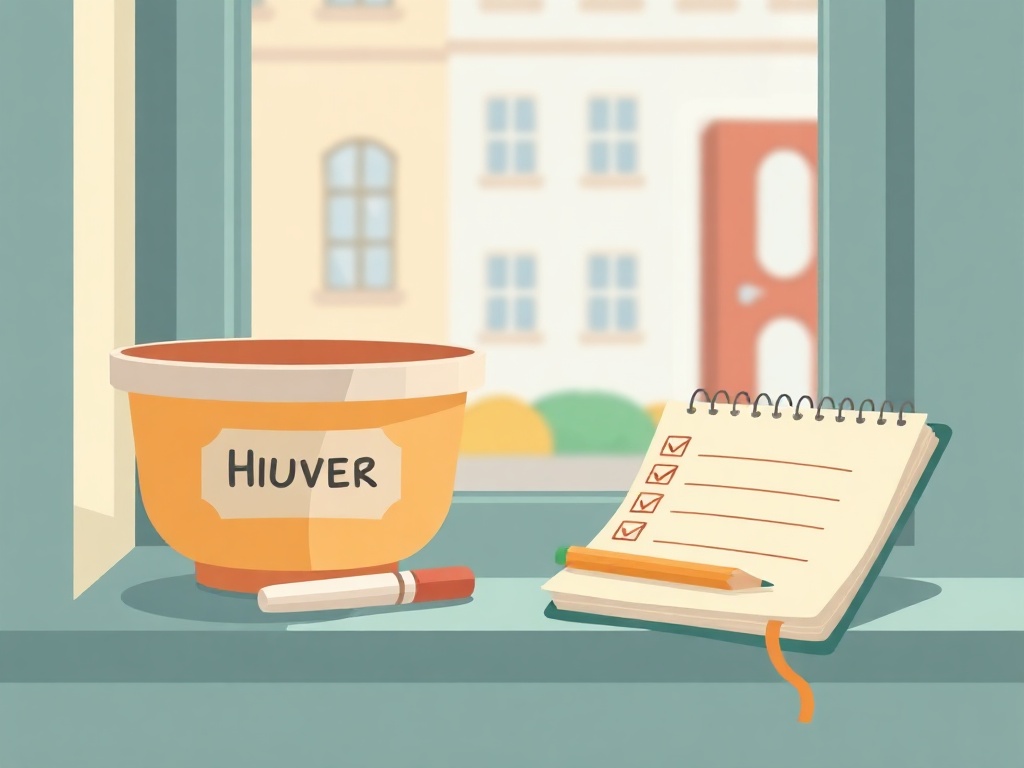
You'll need an old plastic bowl that's no longer needed in the kitchen, a marker to label it, and a small notebook. The child commits to seven days: each day they change the water and jot down in the notebook whether it was drunk, whether the bowl was moved, and whether they spotted an animal nearby. Five minutes a day, plus ten minutes on Sunday to review the notes. It suits ages 8-10, since it requires consistency without reminders. It's worked if, by the end of the week, at least five days are filled in and the child can name one thing they learned — for example, that the water disappears fastest on hot days.
The most common mistake: turning the conversation into a lecture on strays
The temptation is strong. The child has opened the topic, and you want to explain everything at once — that feeding in one spot attracts more animals, that neighbours get annoyed, that unneutered cats keep having litters. Within ten minutes the child has stopped listening and is left with just one feeling: "helping makes things go wrong".
The other version of the same mistake is the opposite one — agreeing to everything just to avoid a scene in the street. Then tomorrow the same conversation starts over, only louder, because the child has learned that the rule bends.
What actually works is boring but brief: one rule, one reason, one approved action. "We don't touch it, because we don't know how it'll react. We leave water. If it looks sick, we tell me." That's it. The explanations about neutering and municipal shelters can wait until the child asks on their own.
Compassion isn't taught through bans. It's taught by having something you can actually do.
What to do if your child has already touched an animal
No drama, no shouting — otherwise next time they simply won't tell you. Wash hands with soap and check for a scratch or bite mark. If the skin is broken, or the animal was behaving oddly, call your GP and follow their guidance; this isn't a decision to make out on the street. Then, once things are calm, ask what happened and repeat the rule. One sentence, not five.
How this works in a family
It's easiest to maintain with a clear ritual. For example: on Saturday, buy one small pack of food and leave it in the same spot; on other days, just change the water. The child knows when it's their turn, knows exactly where their responsibility ends, and knows that when something falls outside those limits — an injured animal, an aggressive dog, a cat with kittens — they simply come to you. That's the boundary. It doesn't shrink the compassion; it gives it a shape.