
How to Teach Your Child to Care for a Pet
A practical guide for parents and teachers on turning pet care into a daily habit for a child aged 5-9 – with clear tasks, charts and games.
Almost every child says it sooner or later: "Mum, I want a puppy!" The promise "I'll look after it, I swear" usually lasts about two weeks. That's not bad character – at 5-9 years old, a child is still learning to remember a task that doesn't bring instant fun. The good news is that caring for a pet is actually one of the most natural ways to learn this. The key is to keep the tasks small, specific, and repeated at the same time every day.
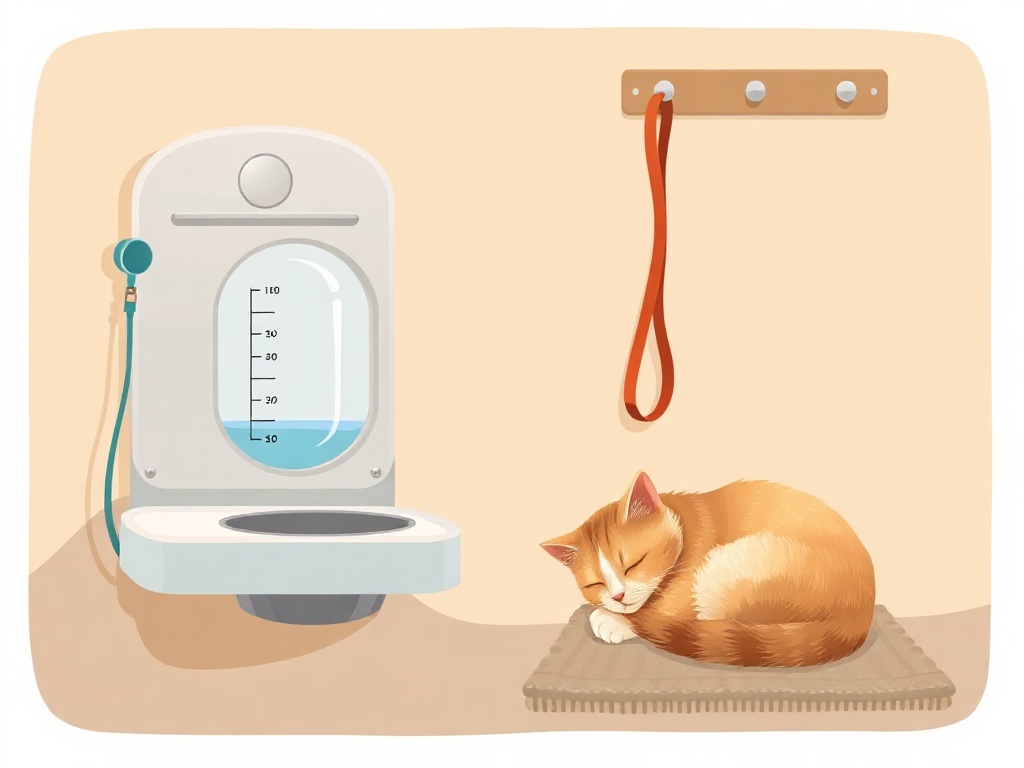
First decide: who's actually in charge
Before handing out tasks, agree on one house rule: the adult is responsible for the animal's life and health. The child is a helper who takes on more over time. If you put the whole responsibility on a seven-year-old, you'll end up with arguments, guilt, and – worst of all – a neglected animal. Say it out loud: "I'm responsible for making sure Rex is okay. You're responsible for his water bowl every morning." One task is huge, the other is doable.
What your child can do at each age
- Age 5: pours fresh water into the bowl (using a small jug, up to a marked line), scoops a measured cup of food, puts dry food away in its spot, helps brush the pet with a soft-bristle brush under supervision.
- Age 6: changes water and food on their own, collects the cat's toys into a box, helps with walks using a second lead, wipes up spills around the bowls.
- Age 7: empties and washes the bowls with a sponge, changes a hamster's bedding or cleans part of the cage wearing gloves, ticks off tasks on the family chart.
- Age 8-9: walks the dog in the garden or outside the building with an adult, packs the bag for the vet, keeps track of when food is running low and says so in time, keeps a diary of the pet's weight and mood.
One important rule for every age: after touching the pet, its bowls, or its litter tray – wash hands with warm water and soap. Make it part of the routine, not a punishment.
The chart that actually works
Task lists fail when they're long and abstract ("look after the cat"). They work when they're attached to an existing habit. Link each task to something that already happens every day: water – before breakfast; food – after coming home from school; brushing – before the bedtime story. Make a sheet with 3 rows and 7 columns (the days of the week) and stick on a sticker for every job done. The sticker is reward enough – don't turn pet care into paid work, because the day you stop paying, the care stops too.
Our Pet's Diary
Make a notebook with 5 headings for your child to fill in each evening in 3 minutes: 1) Did they eat well today? (yes/no); 2) How many walks / how long did they play?; 3) What funny thing did they do today?; 4) Draw their mood as a little face; 5) Something to tell Mum/Dad. After a month, read the diary together – the child sees in black and white that the animal depends on them, and spots patterns ("Rex sleeps more on rainy days").
Teaching your child to understand the animal
Care isn't just food and water. Children need to learn to read a pet's signals, both to avoid upsetting it and to stay safe. Explain it simply: a cat that flicks its tail sharply isn't happy – it's saying "leave me alone"; a dog that turns away and licks its lips is feeling uncomfortable; a hamster that sleeps during the day isn't ill – that's just its body clock. Agree on three rules that are never broken: never wake a sleeping animal, never take food out of its bowl, never carry it around like a stuffed toy.
The "Tail Translator" Game
You'll need a sheet of paper and a pencil. The parent acts out an animal pose (curled up in a ball, hiding under the table, running and jumping, sniffing the air, backing away), and the child guesses what the animal wants and writes the "translation" in one word: sleepy, scared, play, curious, enough. Then swap roles – the child acts, the parent guesses. The game takes 10 minutes and actually gets used afterwards: "Look, that's like pose number 3 – what's it telling us?"
For kids: a short list you can read yourself
- Change the water every day, even when the bowl looks full – stale water doesn't taste nice.
- Food is given in a measuring cup, not "however much fits". Too much food isn't love.
- If the animal hides, don't drag it out. Sit down next to it on the floor and wait for it to come to you.
- Don't share your own plate – chocolate, crisps and onions aren't for dogs and cats.
- Toys go in a box so they don't get lost or trodden on in the dark.
- If you notice the animal isn't eating, isn't drinking, or is hiding all day – tell a grown-up right away. That's not tattling, it's helping.
When your child forgets – because they will
Don't compare ("See how irresponsible you are?") and don't threaten to give the pet away – that's frightening and teaches nothing. Instead, use a short reminder that carries information: "Rex's bowl has been empty since this morning. How do you think that feels for him?" If the forgetting keeps happening, take a step back – cut the tasks from three down to one and attach it to the strongest habit of the day. One task done 30 days in a row beats five tasks done three times.
If you don't have a pet yet
Don't buy an animal as a test of responsibility. Do it the other way round – test the responsibility before the animal. Try a month of "practice care": the child waters three plant pots on a schedule, feeds the neighbours' fish while they're on holiday, or comes with you to walk Grandma's dog. Many towns have shelters and organisations that take on volunteer families – call ahead and ask what age they accept children from and what a child is allowed to do. If after a month the schedule is kept without you reminding more than two or three times, that's a good sign.
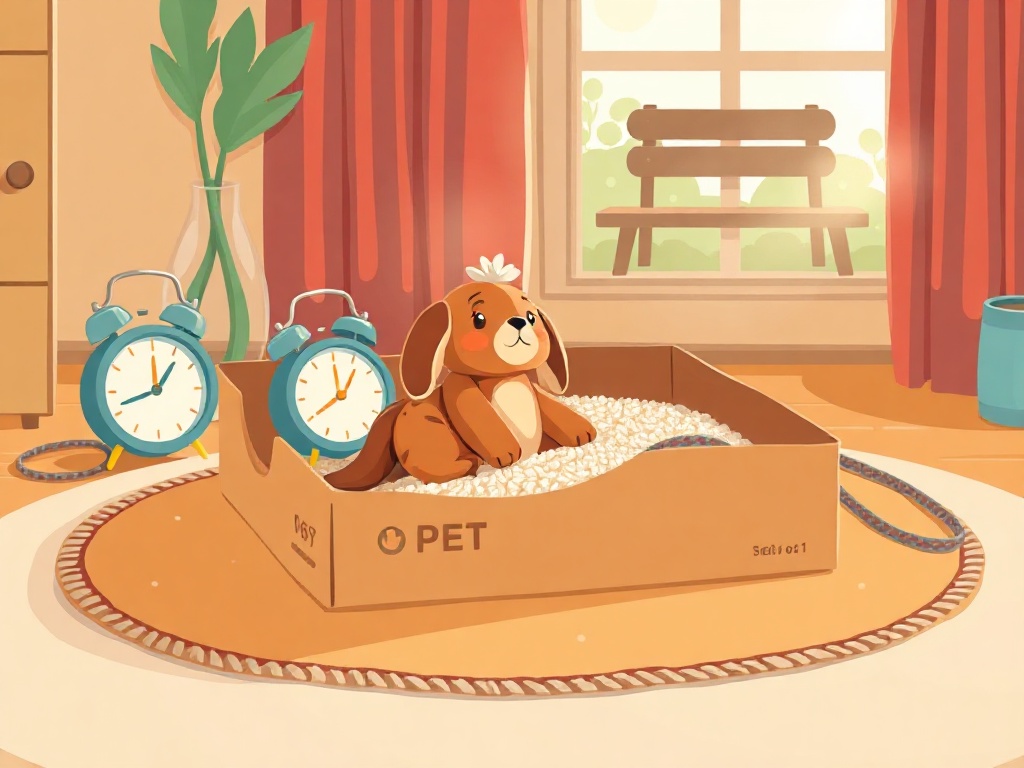
"Pet-Baby" Week
Take a shoebox and fill a stuffed toy with 1 kg of rice or beans so it weighs like a real small animal. For a whole week, your child must: "feed" the toy at a set time morning and evening (set a phone alarm), take it on a 10-minute "walk" to the bench outside, never leave it alone for more than 4 hours. At the end of the week, sit down and talk: What was easy? What got boring? The conversation matters more than the game itself – it shows honestly whether the family is ready.
The most important thing
Children don't learn responsibility from lectures, but from repetition and from seeing the results of their own actions. When a seven-year-old pours out water and a minute later watches the dog drink from their very own bowl, something happens that no talking-to could ever achieve. The adult's job is to make that moment possible every day – with one small task, a set time, and a calm voice.