
Your Child's First Pet at Age 7-10: What Works and What Doesn't
Choosing a first pet isn't about how cute it is — it's about which parts of the care your child can actually handle alone. Here's how to check that before you decide.
"I promise I'll take care of it." You hear this line in almost every home where an eight- or nine-year-old has spotted a hamster in a shop window or a kitten in the yard. The parent hesitates, then gives in, and three weeks later is the one feeding, cleaning up after, and walking the animal alone. The problem isn't the child's promise — that's sincere enough. The problem is that no one checked beforehand exactly which tasks the child could actually do without being reminded.
This piece is about children between 7 and 10. With younger kids the conversation is entirely different, because the animal is fully the adult's responsibility and the child just watches. Past age seven, something else becomes possible: the child can carry real, if partial, responsibility — and actually understand what that means.
Why "start with a goldfish" rarely works
The advice you hear most often is: get fish or a hamster to start, and see how it goes. The logic sounds airtight — small animal, small amount of care. Except it misses the most important thing. An eight-year-old wants an animal that recognizes them. A fish doesn't respond to its name, doesn't come when called, gives no sign at all that the child's presence means anything. After about twenty days, the tank turns into a piece of furniture, and the child is already asking for a dog.
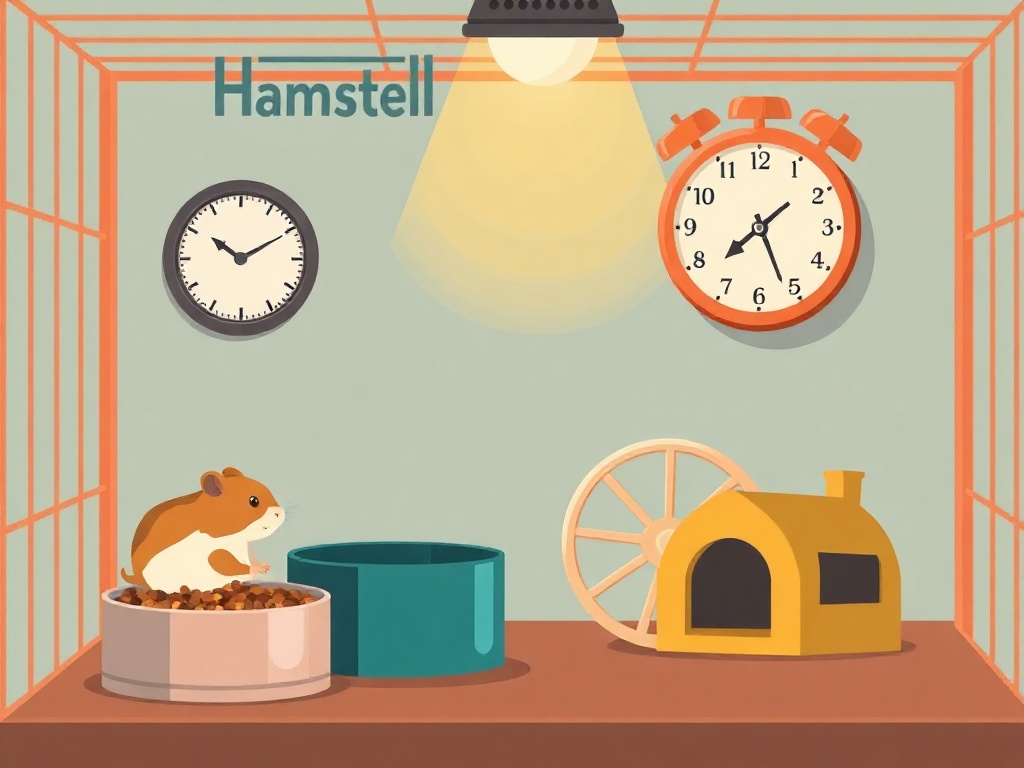
A hamster has a different problem: it sleeps exactly when the child is awake. It's active late in the evening and at night — meaning during the hours the child could actually play with it, the animal is irritated at being woken up, and sometimes bites. That's where the disappointment comes from, which parents read as "my child got bored." The child didn't get bored. They just got an animal that couldn't respond to them.
A more useful approach flips the question. Instead of asking "which pet is easy," ask "which three tasks will my child actually do every day without being reminded." The answer tells you far more about the right choice than the size of the cage does.
What a 7-10 year-old can genuinely handle
Here's the split that works in practice. The child takes on the visible, everyday, quick actions. The adult keeps everything tied to the animal's health and safety.
- Pouring food into a bowl up to a line you've marked with a marker — yes, a seven-year-old can do this.
- Changing the water every morning, before breakfast. Attaching the task to something that already happens daily is the key.
- Brushing the fur three times a week, if the animal is calm about it.
- Putting the animal's toys away at night so no one steps on them.
- Walking the dog only in the yard or a familiar enclosed garden — not alone on the street.
- Watching and reporting: "It didn't finish its food today" is a task kids this age handle surprisingly well.
And here's what stays with the adult, no matter the child's age: vet visits, cleaning the cage or litter box when it involves waste, every decision about food and portions, walks outside the yard for dogs over a certain size, and — most importantly — the final responsibility whenever the child forgets. Because they will forget. Not occasionally — regularly.
The two-week empty-cage test
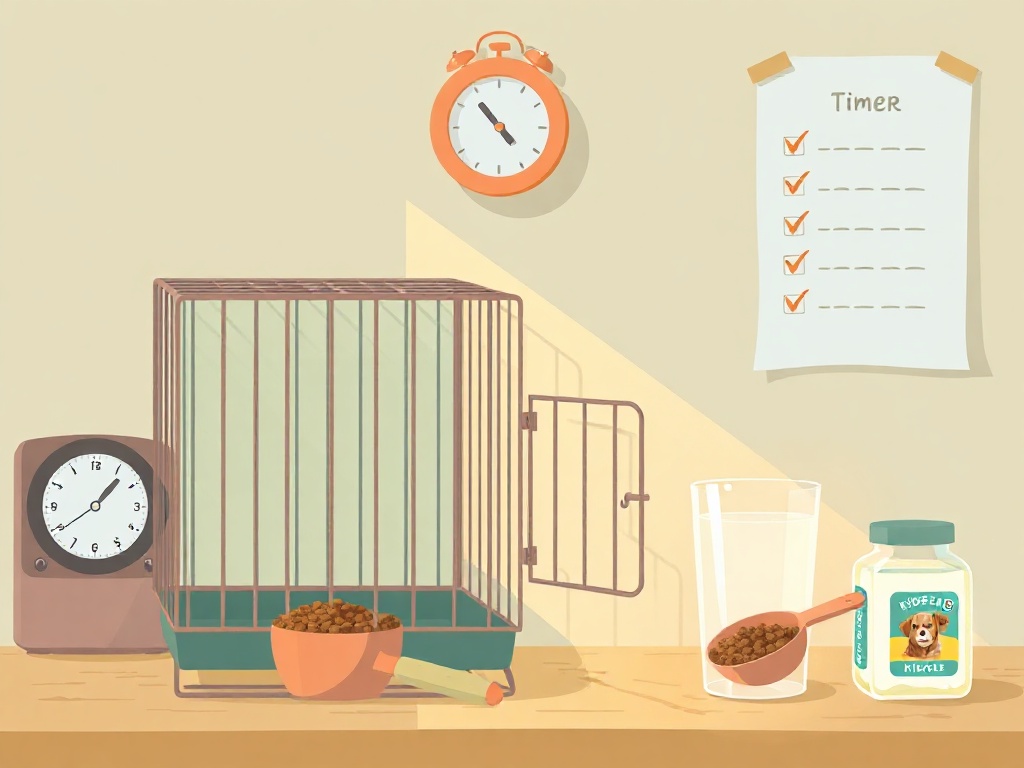
Before you buy anything, try this. All you need is a kitchen timer or an alarm clock, a box or basket the size of the future cage, a bit of dry food in a container, and a sheet of paper on the wall. For fourteen days, the child "feeds" the empty box every morning — pours a measured amount of food into a bowl, adds water, cleans it, and marks the day with a checkmark on the sheet. The whole thing takes three to five minutes a day, and the adult never gives a single reminder. Suitable for children aged 7 to 10. Consider your child ready if they've checked off at least 11 of the 14 days without a single reminder from you. If the checkmarks come in under eight, wait a few months and try again — that's not a failure, it's information.
What to watch for when the child actually meets the animal
If you've made it this far, here comes the part most parents skip: the child should see the animal several times before it moves into the house. Not once for ten minutes in a pet shop, but at least two or three times, at a friend's house, a shelter, or with a responsible breeder. Watch the child, not the animal. How do they react to a light scratch? To the animal pulling away and refusing to be petted? A child who says "okay, I'll leave it alone for a bit" is ready. A child who chases the animal around the room to grab it needs more time.
A care journal for the first month
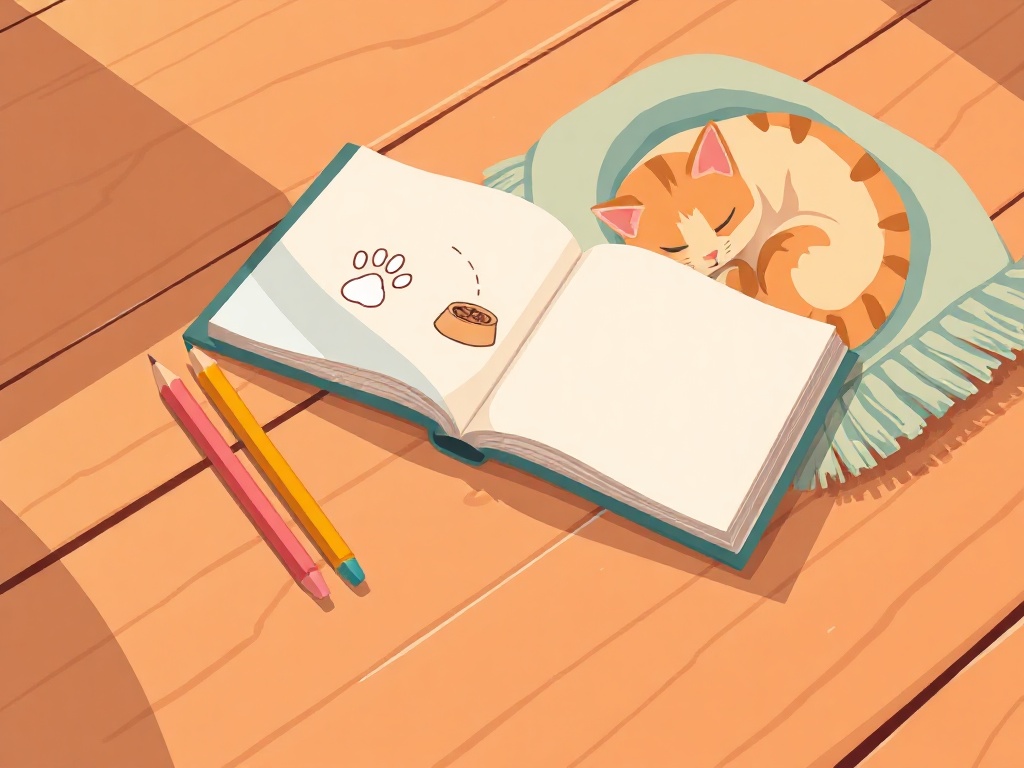
On the very day the animal arrives, make a notebook together. You'll need a plain notebook, three different colored pencils, and five minutes each evening. Every day the child draws or writes down three things: what the pet ate that day, what it did for the longest stretch, and one sentence about its mood — for example, "Today it hid under the sofa because we had guests." This activity suits children aged 7 to 10 and takes about 5 minutes. Consider it a success if, after thirty days, the child can tell you something they noticed that you didn't — for instance, that the animal is drinking more water now that it's gotten warm. That's the moment the care has become theirs, not yours.
The most common mistake: the pet as a reward or a surprise
A kitten in a box with a bow for a birthday. A dog promised in exchange for good grades. Both look like lovely ideas, and both almost always backfire on the family.
The reason is simple: a surprise skips the preparation. The child hasn't practiced anything, hasn't chosen anything, hasn't understood what they're taking on. They get a burst of excitement that lasts a few days, and then daily life sets in — which no one prepared for. The "pet for grades" version is even worse: caretaking becomes a duty tied to performance. If grades slip two months later, what happens next — does the pet leave? The child asks themselves exactly that question, even if they never say it out loud.
The opposite mistake is just as common: the parent decides everything alone, buys the cage, food, and accessories in advance, then "presents" the finished project to the child. The result is the same — the child is a spectator. Give them two or three real choices instead: the color of the bowl, where the bed goes in the room, the name. Small decisions build a sense of ownership far more effectively than one big surprise ever could.
A pet doesn't teach a child responsibility all by itself. What teaches it is an adult who consistently, calmly, and without scolding, brings the child back to the commitment they made — every single day.
Which pet suits which child
- A 7-8 year-old who rarely finishes what they start: a guinea pig. Active during the day, rarely bites, makes sounds, and responds to people — meaning it gives feedback. Lives around 5-6 years.
- An 8-10 year-old who can stick to a routine: an adult shelter cat, already grown. Adult cats have an established personality you can observe in advance — unlike kittens.
- A child who wants a dog no matter what: start by walking a friend's or relative's dog twice a week for two months. If they still want one after week eight, the conversation is worth having.
- A child who's curious but afraid of animals: start with an aquarium, but only if you accept it will mainly be your project, with the child as your helper.
And one last practical detail that saves a lot of heartache. Before deciding, check whether anyone in the home reacts to animal fur, and whether your building actually allows pets. Both checks take about an afternoon. Returning an animal after two weeks costs the child far more than that.