
45 Minutes at the Auto Shop: Seated Games for Ages 5-7 That Need Nothing in Your Hands
A cramped waiting room, the smell of motor oil, and a kid who's already circled the place three times. Here's what actually works — no-prop games for children between 5 and 7.
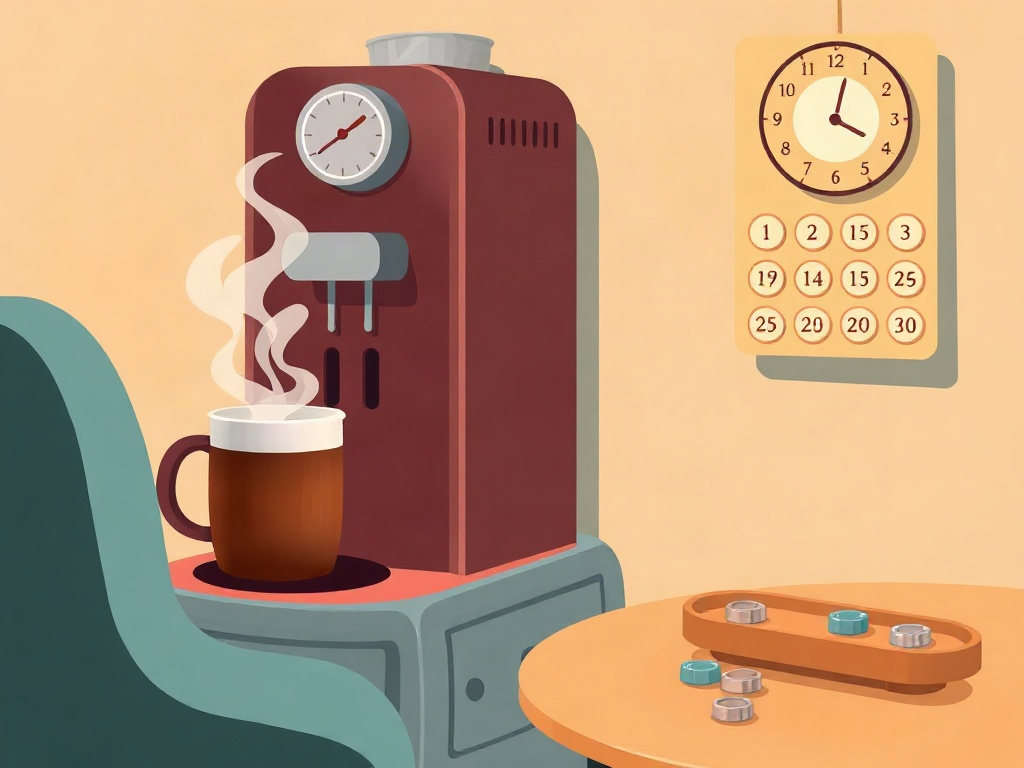
It's late November, muddy outside, and the shop smells like oil and warm rubber. There are four chairs, two are taken. Your child sits down, gets up, pokes the coffee machine, asks how much longer. You say "just a bit more" for the third time and start to feel that "bit" stretching out. This is exactly where most parents reach for the phone — not because they want to, but because nothing else seems possible in a cramped room where you can't unfold a sheet of paper, let alone your imagination.

Except a phone in a waiting room works for twenty minutes and then things get worse. Your child comes off the screen wound up and with zero patience left, and you're still waiting. There's another option, and it needs nothing but two voices and a little quiet between them.
Why "keep them busy" isn't the same as "tire out their attention"
The usual advice is to bring toys. In an auto shop that almost always falls apart: the table's greasy or occupied, the floor's no place to sit, and a box of 40 pieces spills under someone's chair. The other usual advice — "let them run around" — works even less, since the hallway leads straight to the garage bay, and that's no place for a child.
The solution that works is the opposite of movement. Games that call for focus, not space. A 5-7-year-old can hold attention on a single task for about 10-15 minutes if the task has a clear end and a clear "got it." Three such tasks cover 45 minutes. You don't need more than that.
The smell game that turns a downside into an advantage
The smell of motor oil irritates adults. To a child, it's just information. Instead of apologising for it, make it part of the game — that way the place stops being "bad" in your child's mind.
Nose Knows Best
All you need is your nose and your child's — played seated, shoulder to shoulder. Takes about 10 minutes and suits children between 5 and 7. One closes their eyes and says "ready," the other describes a smell without naming it: "this smells like something wet and cold" (rain outside), "this smells like something baking" (the coffee machine), "this smells like a running car" (the oil). The guesser gets three tries. Then swap roles — non-negotiable, or your child loses interest. You've won when your child comes up with a smell you hadn't noticed yourself, like new-tyre rubber or the neighbour's damp jacket.
How to play once your child is already restless
If half a minute has passed and your child is already swinging their legs, don't start with a patience game. Start with one where they're in charge. The sense of control is exactly what's missing in a waiting room — other people decide everything, and all your child does is wait.
You're the Mechanic
Props: none. Time: 12-15 minutes. Age: 5-7, though older siblings usually join in on their own. Your child becomes the mechanic, you're the customer with a problem. You say: "My car makes a rrr-rrr noise when I turn left." The mechanic must ask at least three questions before "fixing" it: "When did it start?" "Only when turning left?" "How old is the car?" Then they announce the diagnosis — the more absurd, the better: "There's a frog living in your tyre." You pay an imaginary bill, say €3, and ask if there's a warranty. You know it's working when your child starts inventing problems for you and turns you into the complaining customer.
The quiet version, for a crowded waiting room
Not every waiting room allows for out-loud games. If two people reading are sitting next to you, switch to something played in whispers and with fingers.
- Count round objects in the room — calendar rings, bottle caps, buttons on the machine. Whoever finds ten first wins.
- "I spy" with a colour instead of a letter: "I spy something orange" works far better at age 5 than the first-letter version.
- Finger-drawing on your child's back — one letter or a simple shape, they guess. Swap roles.
- Quiet knee-tapping rhythm — you tap three beats, your child repeats them, then they give you four.
The most common mistake: promising "five more minutes"
Parents tell a 5-year-old "five more minutes" because it sounds reassuring. The trouble is, at that age a child has no real sense of how long that is. When the five minutes pass and the car still isn't ready, you've lied — not on purpose, but the result is the same. The second "five more minutes" no longer means anything, and your child starts asking every thirty seconds.
What works instead: tie the wait to a number of games, not a clock. "We'll play three games and the car will be ready." If it's ready sooner — bonus. If not, you play a fourth, and that's not a broken promise, just a continuation. Your child tracks their own progress and stops asking you.
A child counting games waits differently than a child counting minutes.
The other mistake: staying silent until your child falls apart
Many parents wait it out. The child is calm for the first ten minutes, watches people, browses the tyre rack, and the parent decides not to touch anything while it's going well. Then comes the breaking point, and after that nothing helps — not a game, not a biscuit. It's easier to start the game at minute five, while your child is still in a good mood, than to use it as a rescue mission at minute thirty.
What to put in your pocket before you leave
Not a box of games. Three things that fit a jacket pocket: a tissue (for greasy fingers after touching something), something to drink, and a small biscuit or an apple. A hungry child won't play. If you still want an object, one pencil and a folded A4 sheet cover the whole wait, as long as the paper is used for a two-player game, not "draw something." A two-player game means, for example: you draw one line, your child turns the line into an animal, then they draw a line for you.
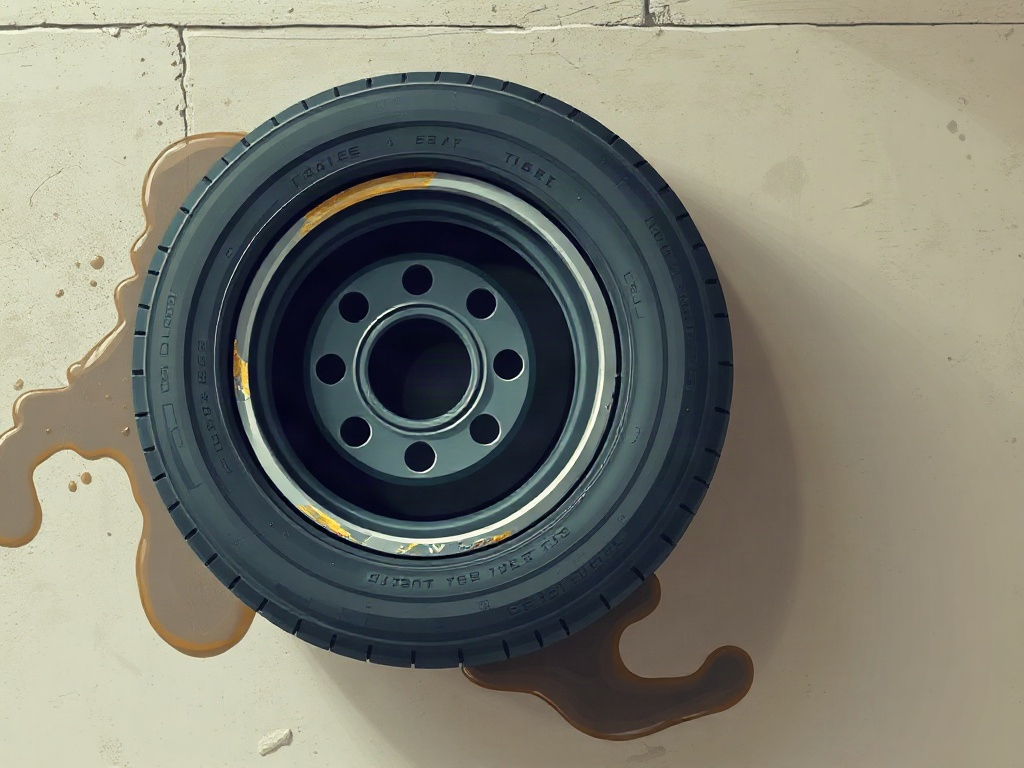
And one more thing that works especially well at an auto shop — show your child the old tyre when it comes off. The grooves, the worn patches, the difference from the new one. Five minutes of real conversation about something you can see and touch is worth more than any game you dreamed up in the waiting room.