
"I Hate Science, It's Boring" — What Your Child Is Really Saying
A guide for parents: when an eight- or nine-year-old announces they hate Science, it's almost never actually about science. Here's how to decode the sentence — and what to do about it this same week.
It's October, the third week of the school year has gone by, and at dinner your nine-year-old son pushes his Science notebook aside: "I hate science. It's boring." You say something like "but science is so interesting," he shrugs, and the conversation ends. The next evening — same thing.
The problem is that "it's boring" is the vaguest phrase in a kid's vocabulary. An eight- or nine-year-old rarely has the words for "I lost the thread in the third lesson and everything since has sounded like noise." But there's one phrase that works in every situation and gives nothing away. This article is written for parents of children aged 8 to 10 — the age when Science becomes its own subject full of terms, rather than the friendly animal stories of the younger grades.
The Three Things Hiding Behind "It's Boring"
If you listen closely for another two or three days, it usually comes down to one of the following. These aren't diagnoses — just different situations that call for different responses.
- A lost thread. The child didn't understand something from two weeks ago — say, what a "substance" is — and everything since has been built on that gap. Giveaway phrases: "I don't know where to start" or "the teacher talks too fast."
- Nothing to touch. Class is all reading and copying, and the child understands the world through their hands. Giveaway phrases: "but we only write" — or they light up describing the one hands-on experiment they did all term.
- Fear of getting it wrong. The child was corrected in front of the class and decided this is the subject they're "bad at." "Boring" is a safer word than "embarrassed." Giveaway: they refuse to guess — "I don't know" comes out too fast, before they've even thought about it.
How do you tell which of the three it is? Not by asking "why is it boring" — no child answers that in any useful way. Ask something else instead: "Tell me one thing from the last lesson that you understood completely." If the child can find something and explain it, the thread is intact — the problem is boredom or self-confidence. If they go quiet or say "nothing" — you've found a gap in understanding, and that's where to focus.
The Most Common Mistake: Defending Science
The natural reaction is to explain how important science is — that without it there'd be no doctors, phones, rockets. It sounds reasonable. It doesn't work, for a very mechanical reason: the child said something about themselves, and you replied with something about the subject. They shared that they feel bad in class; you told them they're wrong to feel that way. Next time, they simply won't share it.
The second most common mistake is the opposite one — "I was never good at maths and science either, it runs in the family." This lets the child off the hook from ever trying, for good. And they will quote it back to their teacher, word for word, within the month.
A third approach works, dull as it sounds at first: accept the statement without arguing and ask for a detail. "Okay. What exactly was the most boring part — the reading, the writing, or when the teacher explains things?" Now you actually have something to work with.
The Ten-Minute Kitchen Lab
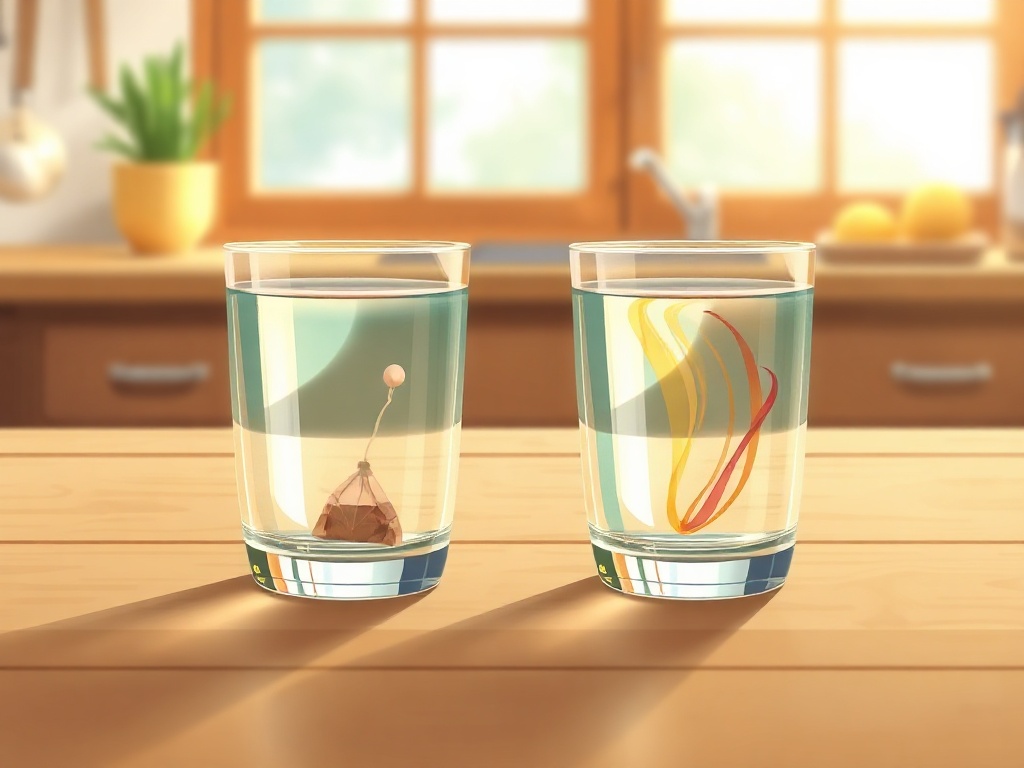
Do this one together with your child if they are aged 8-10; it takes about 10-15 minutes, most of it waiting. You'll need a cup of warm water, a cup of cold water, and two tea bags (or two drops of food colouring). You pour the warm water yourself so nobody gets scalded. Drop the tea bags in at the same time and have your child watch which cup colours faster. But first, make them say out loud what they think will happen and why — that's half the exercise. Afterwards, they explain what they saw: in warm water the tiny particles that make up the water move about faster, so they carry the colour through the cup more quickly. For a second round, add a third cup with ice. The experiment succeeds not when the child guesses correctly, but when they can say a sentence like "I predicted this, but that happened instead, so heat speeds up mixing" — which is exactly what's asked of them in class, minus the grade hanging over it.
Five Questions on the Way to the Shop
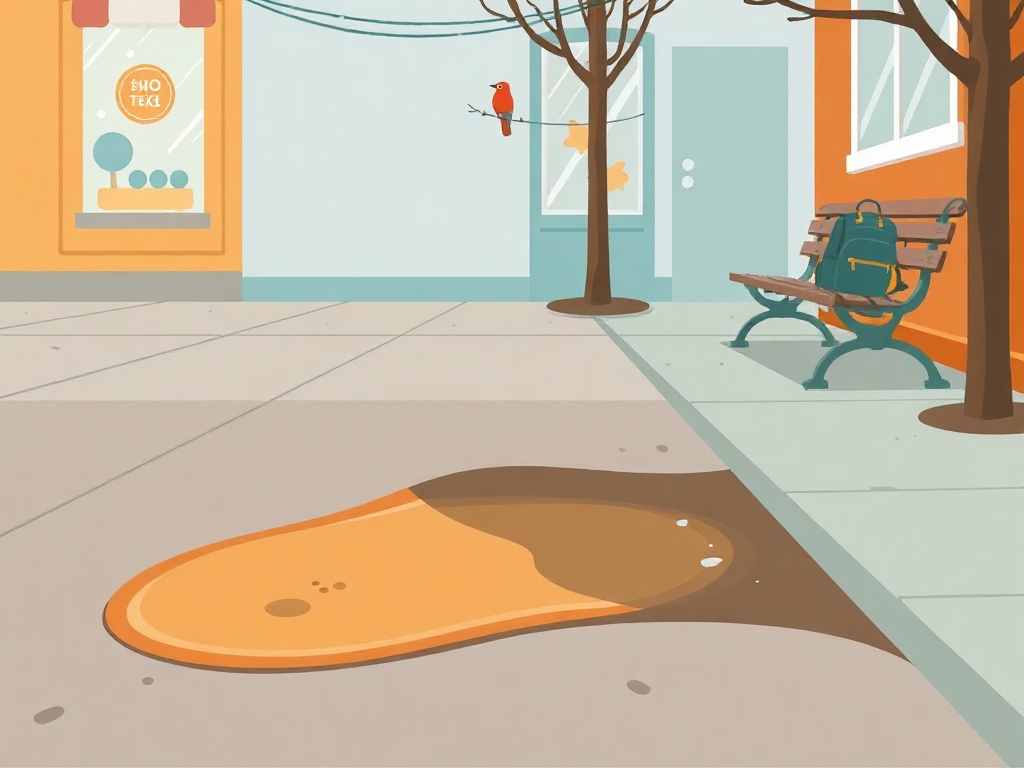
For the same age range, 8-10, and it needs nothing but the walk to the shop with you — about 15-20 minutes you'd spend walking anyway. The rule is simple: while you're out, the child has to ask five questions starting with "why" or "how" about things they see. Why did that puddle dry up but not the other one. How does the bird balance on the wire. Why is the shop window foggy on the inside. You're not allowed to answer all of them right away — answer two, and for the other three say honestly, "I have no idea, let's look it up at home." If you have two children, take turns. The activity succeeds when the child reaches five questions without prompting, and when at least one question sends you off to genuinely look up the answer together — the goal is for the child to see that not knowing is the normal starting point, not a failure.
Your child doesn't hate science. They hate the feeling of being the only one in the room who doesn't understand.
What to Tell the Teacher — and When
If nothing changes after two weeks, it's worth talking to the teacher. Just don't open with "my child says it's boring" — that sounds like a complaint about the class and shuts the conversation down instantly. It's far more useful to be specific: "I've noticed they struggle to describe an experiment in words. Is there anything we could practise at home?" Teachers respond well to that kind of question, because it hands them a task, not blame.
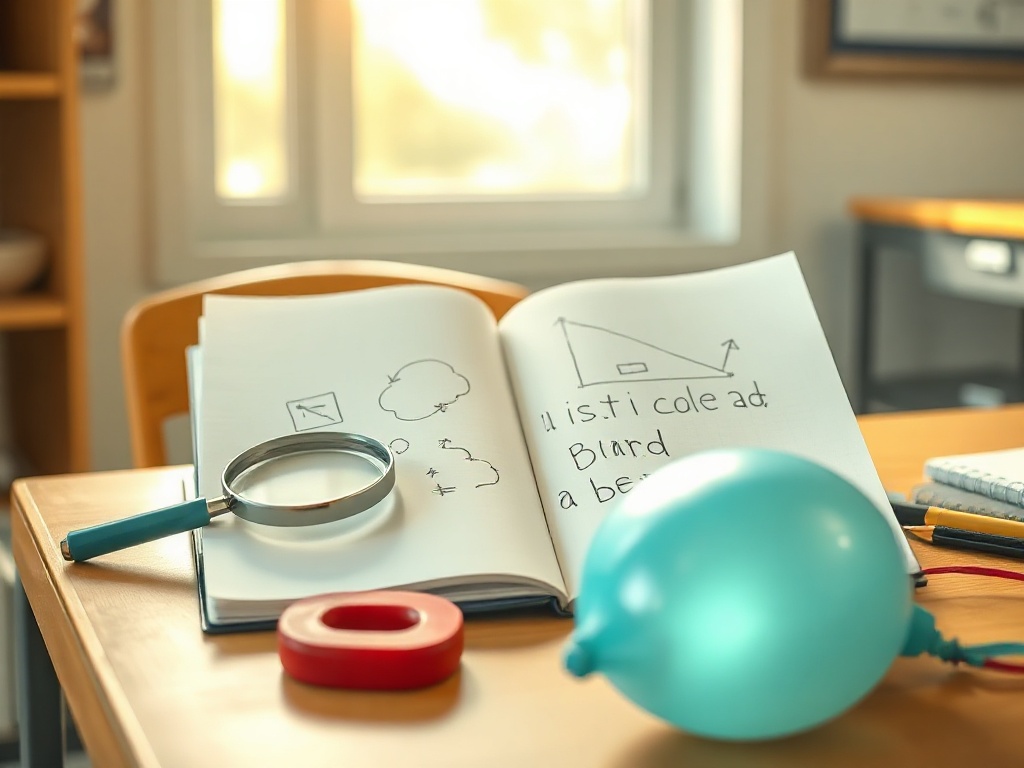
It's also worth asking whether the class does hands-on experiments, and how often. If the answer is "rarely, we don't have the supplies," that's not something one conversation will fix — but at least now you know it's worth keeping a few simple materials at home. A cheap magnifying glass, a bag of balloons, a fridge magnet. You don't need more than that, and you especially don't need an elaborate boxed "young scientist kit" — they usually deliver three flashy experiments and then sit in the cupboard.
When You'll Know It's Working
Don't expect your child to announce that they now love Science — that almost never happens in words. The signs are smaller: they start telling you about something from class without being asked; they stop saying "I don't know" within the first second; they ask you something you don't know the answer to. The first two usually show up after a few weeks of small, regular experiments. The third is the best sign of all, and it comes last.
One more thing parents often miss: if a child says "it's boring" about a subject they used to like, look at the calendar, not the subject. A change of teacher, new seating in the classroom, a falling-out with the friend who sits next to them — any of these can come out as "I hate science," because the child links the subject with whatever else is happening during that class.