
20 Minutes in the Checkout Line Before Christmas: Games That Actually Work With a Full Cart
Saturday, December, the cart is piled high, and there are fifteen people ahead of you. Here's what to do with your 5-to-7-year-old in those minutes — no phone, no sweets from the shelf by the till, and no meltdown.
The cart is stacked to the brim, a box of tangerines teetering on top, and ahead of you — eleven people and one till, where the cashier is busy changing the receipt roll. Your child has already grabbed the chocolate bar off the eye-level shelf twice. The next twenty minutes are the part of the trip nobody plans for.
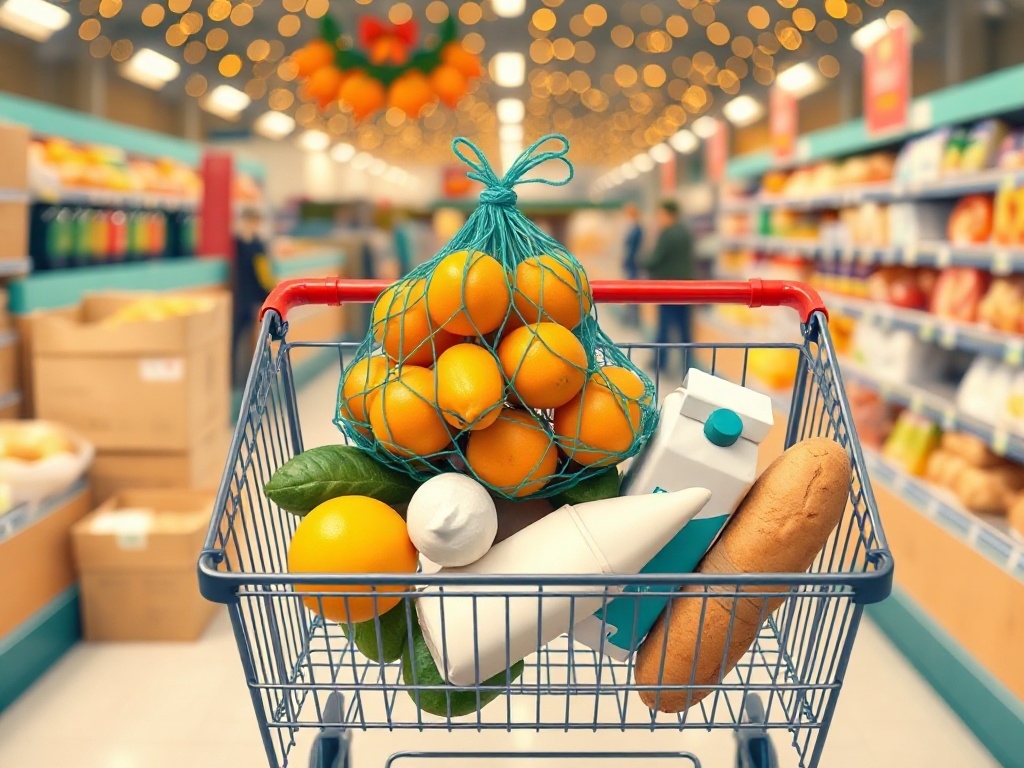
Most "queue entertainment" tips are clearly written by people who've never stood in a checkout line on the 20th of December. "Play word association," "count the items" — sounds fine, until it turns out your child needs to touch the goods, bend over, or shout across three strangers. This is a guide for the parent doing the standing: checkout games for kids that need zero movement, a quiet voice, and a grown-up who's digging out their wallet at the same time.
Why the usual games fall apart in this particular queue
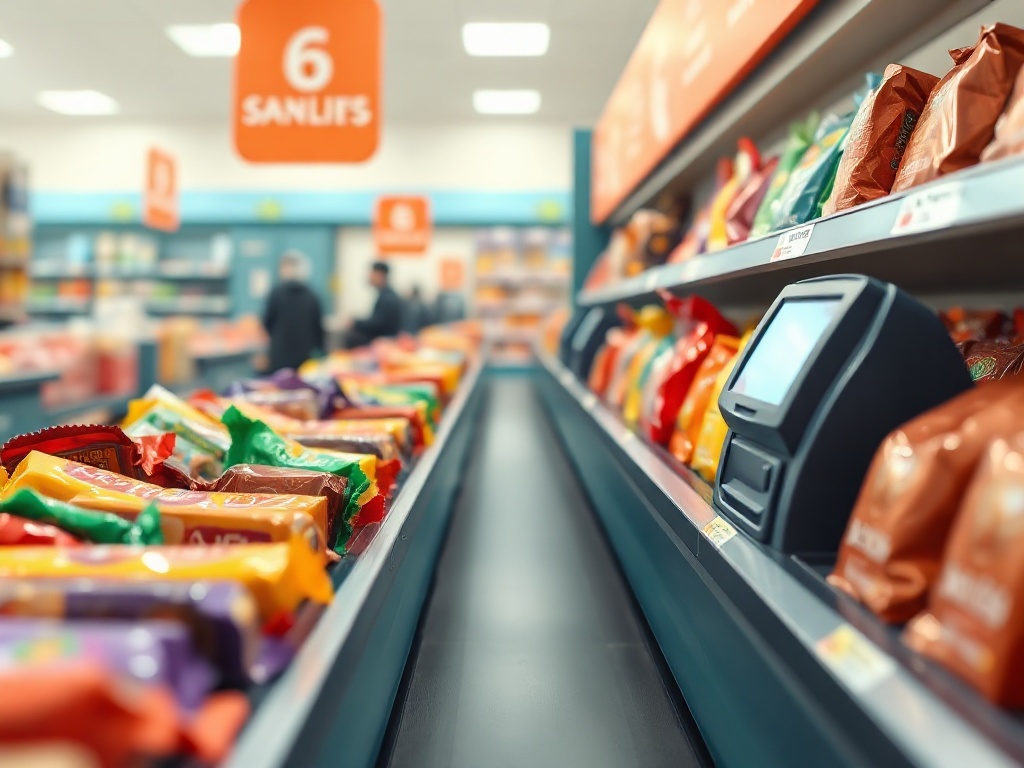
The pre-Christmas queue has three features that change everything. First — it's tight. The people on either side of you are standing a foot away, so any game involving walking or pointing with an outstretched arm is out. Second — it's noisy, the music is loud, and your child instinctively raises their voice to be heard. Third — the shelf by the till is stocked with sweets on its lower rows, right at eye level for a five-year-old.
That's why only games with three qualities actually work: played standing still, played in a whisper, and with a clear end point. "Clear end point" is the key part. If a game has no finish line, your child abandons it after two minutes and drifts back to the sweets shelf.
The game that holds attention longest: "Who's This For?"
Who's This For?
You need nothing but the cart already in front of you — as long as the items are visible from the top. Takes 6-10 minutes, for ages 5 to 7. Point your chin (not your hand — it's tight) at an item and ask quietly: "Who's this for?" Your child answers — "The cheese is for Grandma, she's making a pie," "The tangerines are for everyone," "That bottle is for Christmas." Then swap roles: your child picks an item, you guess. If they get stuck, give them an easier prompt: "Are we eating this today or on Christmas?" Success looks like your child pointing out three items on their own and explaining who they're for, without pulling anything out of the cart.
This game works because you're not inventing anything new — the cart is already there, full of things your child watched you choose. And there's a side effect: your child starts thinking of the shopping trip as preparing for people at home, rather than a place where you ask for things.
When there are 5 minutes left and patience has run out
Whisper by Letter
Materials: nothing, just the two of you. Takes 3-5 minutes, ideal for 6-to-7-year-olds who already recognise letters. Whisper a letter — say, "M" — and your child has to spot, just by looking, three things nearby that start with it: "milk, mince pies, magazine." No pointing, only whispering. Then your child picks a letter for you. For five-year-olds, swap letters for colours: "something red, something even more red, something tiny and red." You've succeeded if you complete two full rounds without your child raising their voice.
The whispering isn't incidental. When the game is played quietly, it becomes something between just the two of you, and the people around you drop out of the equation. Children this age love the conspiracy of it more than the game itself.
The shelf by the till: what to do about it
That shelf isn't going anywhere, so there's no point pretending it doesn't exist. Better to fold it into the game before your child does it for you. This line works, said the moment you join the queue: "I know those chocolate bars are right in front of you. We're not buying anything from here today. But you can pick one to remember for next time." Your child picks, the two of you "remember" it together — and the matter is closed, because there's an answer, not an endless no.
- Say the rule before you reach the shelf, not after your child has already reached out.
- Give them a job that's theirs alone: holding the bag, counting how many people are left ahead of you, watching for when the belt frees up.
- If you've promised something small — one inexpensive item, whatever that means in your shop — say so in advance and stick to exactly one.
- Don't negotiate at the till itself. That's where your child has an audience, and knows it.
The most common mistake: reaching for the phone first
The parent hands over the phone the moment they join the queue. It's peaceful, fair enough. But there's a cost, and it comes due right after: your child leaves the queue overstimulated and with zero willingness to help load the belt, and next time they'll ask for the phone at the entrance, because they've learned that queue means screen. Plus, you miss out on the only minutes when your child stands right next to you, isn't running between the shelves, and is actually ready to talk.
If you do end up reaching for it — and sometimes you will — save the phone for the last three minutes, not the first three. That way it's a finish line, not a starting point, and the checkout games for kids above have room to do their job first.
Second common mistake: the promise "just a bit longer and we'll go." To a five-year-old, "a bit longer" means nothing. Say something measurable instead: "See the woman in the red hat? When she leaves, it's our turn." Or have your child count the people ahead of you — a number that's shrinking works better than any amount of soothing.
The rule behind all of this is simple: a child doesn't last 20 minutes because they're patient. They last because they have something to do and know when it ends.
The last two minutes: the belt
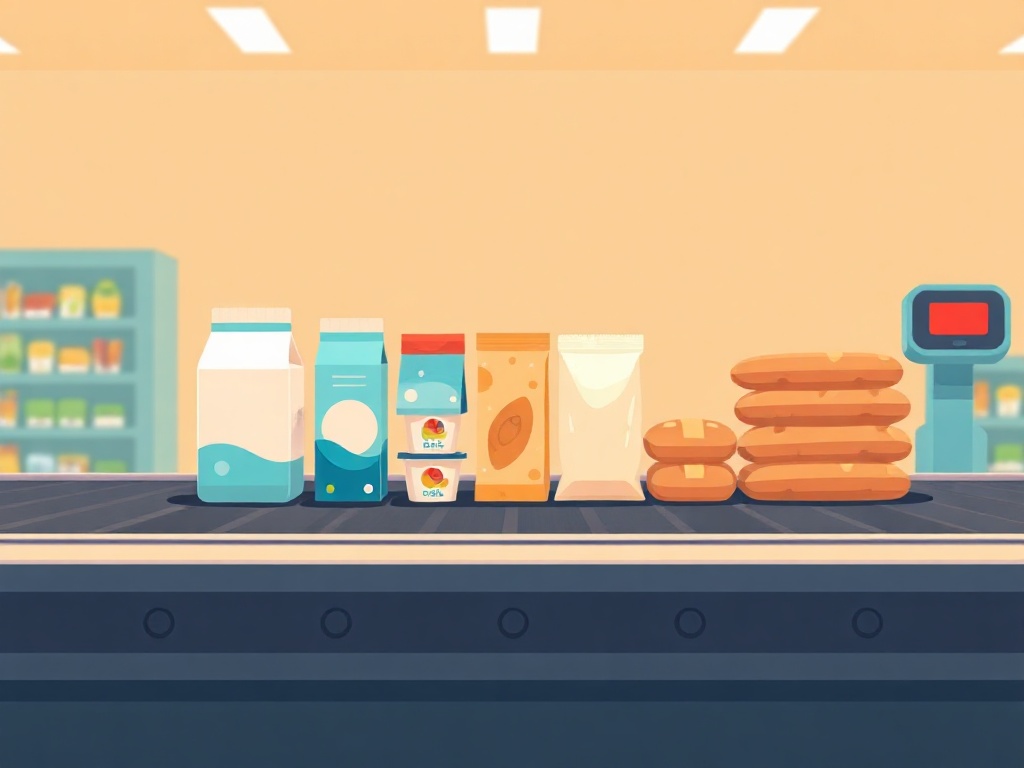
When it's finally your turn, give your child a specific job, not a vague "help out." For 5-to-6-year-olds: handing you the light items — bread, a packet of yeast, the box of tangerines. For 6-to-7-year-olds: grouping all the cold items together so they go into the bag as one lot. It's not a game, but it's the best way to end the queue — your child walks away feeling like they got something done, not like they were dragged along.
One more small thing worth doing: on the way out, name exactly what they did well. Not "good job, you were a good kid," but "you counted the people all the way to the end and handed me every cold item." That one sentence, plus a couple of checkout games for kids you can both remember, will make next Saturday easier.